



How CNC Sliding Head Turning Revolutionizes Manufacturing Efficiency
2024-12-25


CNC sliding head turning, often referred to as **Swiss-style machining**, is a highly advanced manufacturing process that utilizes sophisticated computer numerical control (CNC) technology. In this process, the workpiece is held in a collet and fed through a sliding headstock. The cutting tools, which are mounted on a stationary or rotating tool post, perform precise operations as the workpiece moves forward. This method allows for the creation of complex geometries with high levels of accuracy.
The sliding head mechanism allows for flexibility in machining, enabling manufacturers to produce small to medium-sized parts with intricate details. Its capability to handle various materials, including metals, plastics, and composites, makes it an invaluable asset in numerous industries.
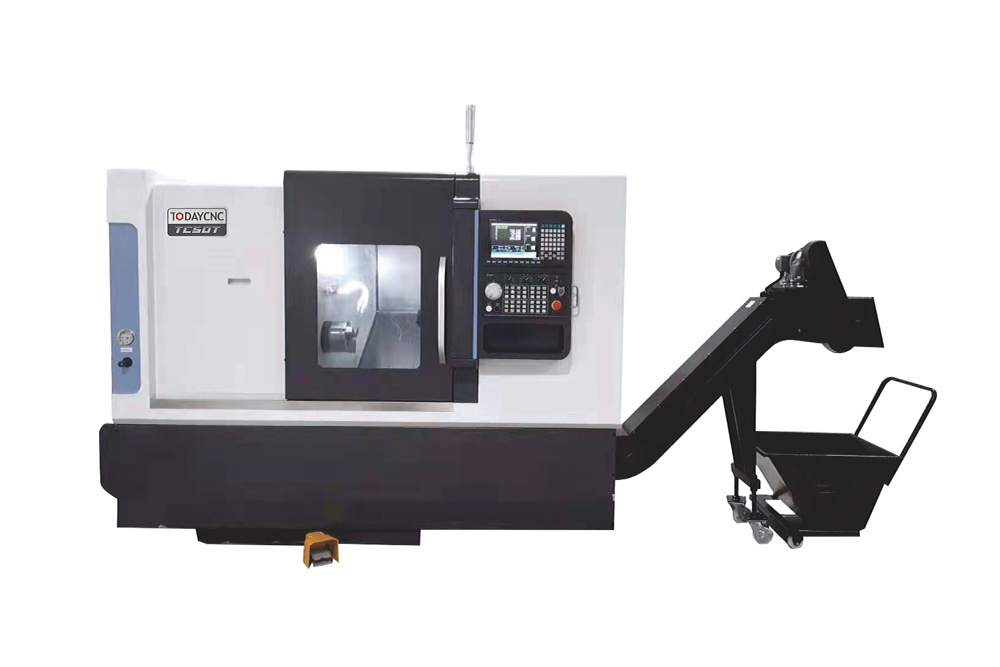
Advantages of CNC Sliding Head Turning Technology
The adoption of CNC sliding head turning brings numerous benefits, making it a preferred choice for many manufacturers. Some of the key advantages include:
1. Enhanced Precision and Accuracy
CNC sliding head turning offers unparalleled precision, which is crucial in industries where tolerances are tight. The use of CNC technology eliminates human error, ensuring that each component is manufactured to exact specifications.
2. Increased Production Speed
This technology significantly reduces cycle times. The ability to perform multiple operations simultaneously means that manufacturers can produce more parts in less time. This increase in production speed leads to faster turnaround times.
3. Reduced Material Waste
The efficiency of CNC sliding head turning minimizes waste by optimizing material usage. Precise cutting techniques result in fewer errors and less scrap material, contributing to a more sustainable manufacturing process.
4. Flexibility and Versatility
CNC sliding head turning accommodates a wide range of materials and part designs. Whether it’s producing intricate components or larger parts, this technology can adapt to various manufacturing needs.
5. Lower Labor Costs
By automating many aspects of the machining process, manufacturers can reduce their reliance on skilled labor. This not only cuts labor costs but also allows workers to focus on more complex tasks that require human intervention.
Applications of CNC Sliding Head Turning in Various Industries
The versatility of CNC sliding head turning allows it to be utilized across different sectors. Here are some of the prominent industries that benefit from this technology:
1. Aerospace Industry
In aerospace manufacturing, precision is non-negotiable. CNC sliding head turning facilitates the production of critical components, such as fuel nozzles, valve bodies, and structural parts, with exacting tolerances.
2. Automotive Industry
The automotive sector relies on CNC sliding head turning for the production of small components, including bolts, nuts, and intricate fittings. This technology supports high-volume production while maintaining quality standards.
3. Medical Device Manufacturing
For medical devices, accuracy and consistency are vital. CNC sliding head turning is used to manufacture surgical instruments, implants, and other components that require precision and reliability.
4. Electronics Industry
The electronics industry benefits from CNC sliding head turning through the production of small, highly detailed parts used in devices such as smartphones, computers, and other electronic equipment.
5. Defense Sector
The defense industry often requires custom components that meet stringent specifications. CNC sliding head turning provides the necessary precision to produce parts for military equipment and vehicles.
How CNC Sliding Head Turning Works
Understanding the mechanism behind CNC sliding head turning is essential to appreciating its benefits. Here’s a step-by-step breakdown of how the process works:
1. Setup and Programming
Before production begins, the CNC machine is programmed with the necessary specifications. This includes part geometry, machining operations, and tooling information. **CAD/CAM software** is typically used for this purpose.
2. Material Loading
The raw material is securely held in a collet within the sliding headstock. The machine is calibrated to ensure proper alignment and positioning.
3. Machining Process
As the machining process commences, the sliding head moves the workpiece forward while the cutting tools perform various operations, such as turning, drilling, and milling. This simultaneous action maximizes efficiency and reduces cycle time.
4. Quality Control
Throughout the machining process, quality control measures are put in place. Advanced sensors and measuring devices monitor the part’s dimensions to ensure compliance with specifications.
5. Finishing Operations
Once the machining is complete, the parts may undergo additional finishing processes, such as deburring, polishing, or coating, to enhance their functionality and appearance.
Impact of CNC Sliding Head Turning on Manufacturing Efficiency
The integration of CNC sliding head turning into manufacturing processes has led to significant enhancements in overall efficiency:
1. Streamlined Workflows
CNC sliding head turning reduces the number of setups required for different operations, leading to streamlined workflows and improved productivity.
2. Reduced Lead Times
With faster production capabilities and minimal downtime, manufacturers can meet customer demands more rapidly, resulting in shorter lead times and increased customer satisfaction.
3. Enhanced Competitive Edge
Companies utilizing CNC sliding head turning often enjoy a competitive advantage due to their ability to produce high-quality products at lower costs and faster speeds.
Challenges and Solutions in CNC Sliding Head Turning
While CNC sliding head turning offers numerous benefits, it also presents certain challenges:
1. Initial Investment Costs
The technology requires a significant upfront investment, which can deter smaller manufacturers. However, the long-term savings and increased productivity often justify this cost.
2. Skill Requirements
Operating CNC machines requires skilled personnel. Manufacturers should invest in training programs to ensure that staff can effectively manage and maintain the equipment.
3. Maintenance and Upkeep
Regular maintenance is essential to keep CNC machines running optimally. Establishing a proactive maintenance schedule can minimize downtime and extend the machine’s lifespan.
The Future of CNC Sliding Head Turning Technology
Looking ahead, the future of CNC sliding head turning appears bright. Continued advancements in technology, such as artificial intelligence and machine learning, are expected to further enhance the capabilities of CNC machines. Additionally, as industries increasingly prioritize sustainability, CNC sliding head turning will play a key role in reducing waste and optimizing material usage.
Furthermore, as the demand for customization grows, CNC sliding head turning will adapt to meet these needs, providing manufacturers with the flexibility to produce unique components without sacrificing efficiency.
Conclusion
CNC sliding head turning represents a significant leap forward in manufacturing technology, offering unmatched precision, speed, and efficiency. Its applications span a wide range of industries, making it a versatile solution for modern manufacturing challenges. By embracing this innovative technology, manufacturers can enhance productivity, reduce waste, and ultimately gain a competitive advantage in the marketplace.



Address: Building 2, Fangda, Huangfengling Industrial Zone, Luozu community, Shiyan Street, Baoan District, Shenzhen, China
Mob: +86 18926575817
Tel: +86 0755 29680609
Fax: +86 0755 29680609
Email: info@todaycnc.com



Copyright & ©2024 TODAY STANDARD PRECISION MACHINE TOOL CO .,LTD
Privacy Policy