



Unlocking Efficiency: The Role of Quality Bar Feeders in Lathe Operations
2025-10-30


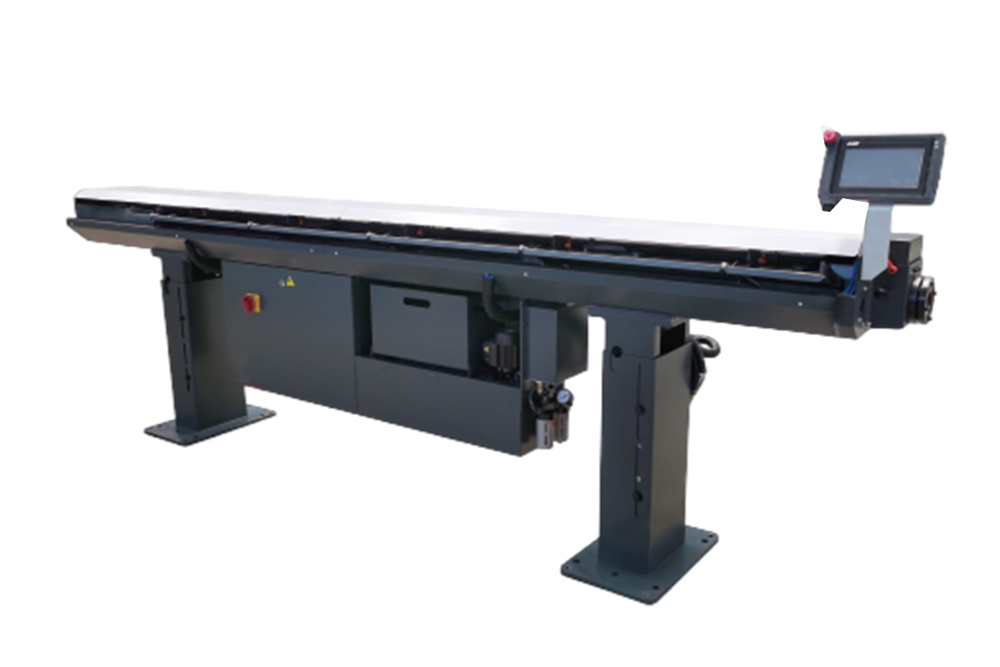
In the manufacturing and machining industry, the integration of advanced technology is crucial for achieving optimal performance. One such technology that has gained immense popularity is the quality bar feeder lathe. A bar feeder is an automated device used to load bars of material into a lathe, enabling continuous and efficient machining processes. This article explores the significance of quality bar feeders in lathe operations and their impact on productivity and precision.
Quality bar feeders are designed to reduce manual labor and minimize errors during the loading of raw materials. By utilizing a bar feeder, manufacturers can streamline their workflows, allowing for higher production rates and reduced cycle times. This automation not only frees operators from repetitive tasks but also increases the consistency of the parts being produced. In an industry where precision is paramount, the use of quality bar feeders helps ensure that each part is manufactured with the same level of accuracy, reducing variability and waste.
The effectiveness of a quality bar feeder lathe lies in its ability to handle a wide range of materials and bar sizes. Many modern bar feeders are equipped with advanced features such as adjustable loading mechanisms, which can accommodate different diameter bars without the need for extensive setup changes. This flexibility allows manufacturers to switch between different production runs quickly, ultimately improving responsiveness to market demands.
Moreover, quality bar feeders often come with integrated control systems that enhance their functionality. These systems can communicate directly with the lathe, providing real-time data on material usage, machine status, and operational efficiency. This level of integration allows for better monitoring and control of the machining process, enabling manufacturers to identify potential issues before they escalate into costly downtime.
In addition to enhancing productivity and precision, quality bar feeders contribute to a safer working environment. By automating the loading process, the risk of workplace injuries associated with manual handling is significantly reduced. Operators can focus on more strategic tasks, such as quality control and machine monitoring, rather than being engaged in constant material handling.
In conclusion, the inclusion of quality bar feeders in lathe operations offers numerous advantages that can significantly enhance manufacturing efficiency. From improving precision and reducing cycle times to creating a safer work environment, these automated devices play a crucial role in modern machining processes. As the demand for high-quality, precision-engineered components continues to rise, investing in quality bar feeder lathes can position manufacturers at the forefront of the industry, ready to meet the challenges of an ever-evolving market.
Quality bar feeders are designed to reduce manual labor and minimize errors during the loading of raw materials. By utilizing a bar feeder, manufacturers can streamline their workflows, allowing for higher production rates and reduced cycle times. This automation not only frees operators from repetitive tasks but also increases the consistency of the parts being produced. In an industry where precision is paramount, the use of quality bar feeders helps ensure that each part is manufactured with the same level of accuracy, reducing variability and waste.
The effectiveness of a quality bar feeder lathe lies in its ability to handle a wide range of materials and bar sizes. Many modern bar feeders are equipped with advanced features such as adjustable loading mechanisms, which can accommodate different diameter bars without the need for extensive setup changes. This flexibility allows manufacturers to switch between different production runs quickly, ultimately improving responsiveness to market demands.
Moreover, quality bar feeders often come with integrated control systems that enhance their functionality. These systems can communicate directly with the lathe, providing real-time data on material usage, machine status, and operational efficiency. This level of integration allows for better monitoring and control of the machining process, enabling manufacturers to identify potential issues before they escalate into costly downtime.
In addition to enhancing productivity and precision, quality bar feeders contribute to a safer working environment. By automating the loading process, the risk of workplace injuries associated with manual handling is significantly reduced. Operators can focus on more strategic tasks, such as quality control and machine monitoring, rather than being engaged in constant material handling.
In conclusion, the inclusion of quality bar feeders in lathe operations offers numerous advantages that can significantly enhance manufacturing efficiency. From improving precision and reducing cycle times to creating a safer work environment, these automated devices play a crucial role in modern machining processes. As the demand for high-quality, precision-engineered components continues to rise, investing in quality bar feeder lathes can position manufacturers at the forefront of the industry, ready to meet the challenges of an ever-evolving market.
Related Blog


Address: Building 2, Fangda, Huangfengling Industrial Zone, Luozu community, Shiyan Street, Baoan District, Shenzhen, China
Mob: +86 18926575817
Tel: +86 0755 29680609
Fax: +86 0755 29680609
Email: info@todaycnc.com



Copyright & ©2024 TODAY STANDARD PRECISION MACHINE TOOL CO .,LTD
Privacy Policy
Business license