



Unlocking Precision: The Benefits of Using a CNC Lathe with Bar Feeder
2025-11-17


Unlocking Precision: The Benefits of Using a CNC Lathe with Bar Feeder
Table of Contents
- What is a CNC Lathe with Bar Feeder?
- Key Benefits of Using a CNC Lathe with Bar Feeder
- Applications of CNC Lathes with Bar Feeders
- How a Bar Feeder Improves Production Workflow
- Better Material Utilization
- Challenges and Considerations
- Maintenance and Care for CNC Lathes with Bar Feeders
- Future Trends in CNC Lathing Technology
- FAQs
What is a CNC Lathe with Bar Feeder?
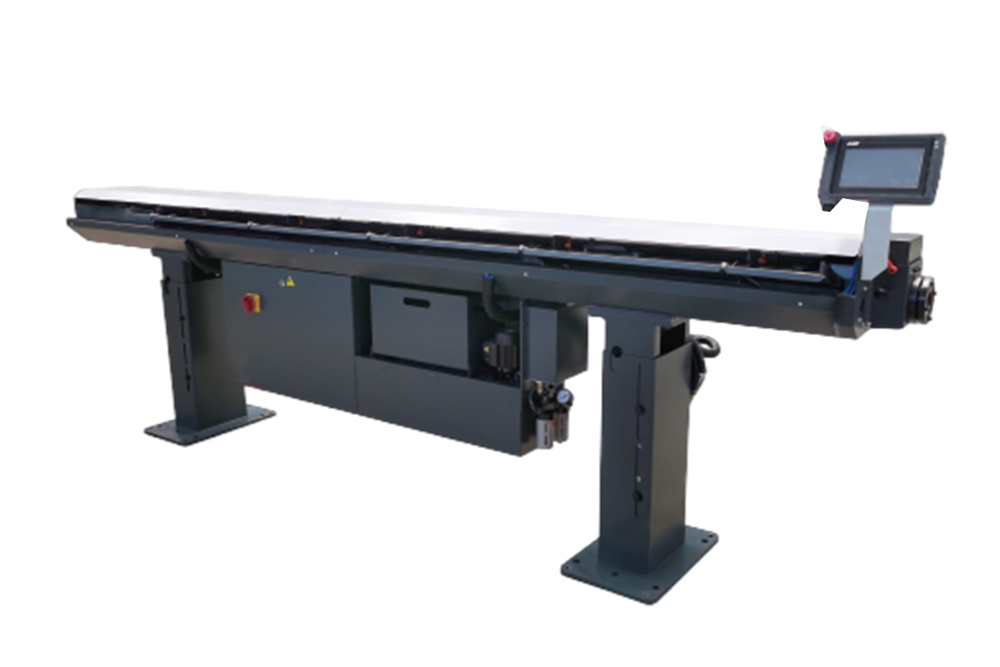
A **CNC lathe with a bar feeder** is a sophisticated machine tool designed for precision machining operations. It automates the process of feeding raw materials into the lathe, allowing for continuous production without manual intervention. The bar feeder holds long bars of material, such as metal, plastic, or composites, and feeds them into the CNC lathe at predetermined lengths. This integration not only enhances the machining process but also significantly improves productivity.
CNC (Computer Numerical Control) technology enables the lathe to execute highly accurate cuts and shapes based on programmed instructions. This combination of automation and precision makes CNC lathes with bar feeders an indispensable part of modern manufacturing.
Key Benefits of Using a CNC Lathe with Bar Feeder
Enhanced Precision
One of the primary benefits of using a **CNC lathe with a bar feeder** is the **enhanced precision** it offers. Traditional machining methods often rely on manual feeding, which can lead to inconsistencies and human error. In contrast, CNC lathes maintain a high level of accuracy due to their computer-controlled operations.
- **Tight Tolerances**: CNC lathes can achieve tolerances as tight as a few microns, ensuring that every part meets exact specifications.
- **Repeatability**: Once a program is set, the machine can reproduce identical parts repeatedly, essential for large-scale production.
- **Complex Shapes**: CNC lathes can execute complex designs that would be challenging or impossible to achieve manually.
Increased Efficiency
Another significant advantage is the **increased efficiency** that comes with automation. A CNC lathe with a bar feeder minimizes downtime and maximizes productivity.
- **Continuous Operation**: With a bar feeder, the lathe can operate continuously without the need for frequent manual loading, allowing for longer machining runs.
- **Reduced Set-Up Time**: Automatic feeding reduces the time spent on set-ups, enabling faster job changeovers.
- **Worker Productivity**: Operators can oversee multiple machines simultaneously, increasing overall output without a proportional increase in labor.
Cost-Effectiveness
Investing in a CNC lathe with a bar feeder can lead to **significant cost savings** over time. Here are some financial benefits:
- **Lower Labor Costs**: Automation reduces the need for manual labor, allowing businesses to allocate resources more efficiently.
- **Waste Reduction**: Enhanced material utilization means less waste, resulting in lower material costs.
- **Long-Term Investment**: Although the initial investment may be higher, the long-term benefits in efficiency and precision can lead to substantial returns.
Applications of CNC Lathes with Bar Feeders
CNC lathes with bar feeders find applications across various industries, including:
- **Automotive**: Machining components like shafts, bushings, and gears with high precision.
- **Aerospace**: Producing lightweight, intricate parts that meet strict safety standards.
- **Medical Devices**: Manufacturing precision instruments and implants with exact specifications.
- **Electronics**: Creating housing and components for electronic devices.
These applications demonstrate the versatility and capability of CNC lathes with bar feeders, making them suitable for a wide range of manufacturing needs.
How a Bar Feeder Improves Production Workflow
The integration of a bar feeder enhances production workflow in several ways:
- **Streamlined Processes**: Bar feeders automate the feeding process, reducing the time spent on manual loading and unloading.
- **Reduced Human Error**: Automated feeding minimizes the risk of mistakes that can occur during manual handling.
- **Enhanced Data Collection**: Modern CNC lathes equipped with bar feeders often include data collection systems that track production metrics, providing insights for improvement.
The overall result is a more efficient, reliable, and productive manufacturing process.
Better Material Utilization
Material waste is a critical concern in manufacturing. CNC lathes with bar feeders help improve material utilization by:
- **Optimized Cutting Patterns**: Advanced programming allows for optimized cutting patterns that reduce scrap.
- **Maximized Raw Material Use**: Longer bars can be used, and the machine can work through them efficiently, reducing leftover material.
This focus on material utilization not only saves costs but also supports sustainability goals by minimizing waste.
Challenges and Considerations
While there are numerous benefits, there are also challenges associated with integrating CNC lathes with bar feeders:
- **Initial Costs**: The upfront investment can be substantial, particularly for high-quality machines.
- **Training Requirements**: Operators need specialized training to manage advanced CNC systems effectively.
- **Maintenance Needs**: Regular maintenance is crucial to keep the machines in optimal condition and prevent downtime.
Taking these challenges into account is essential for businesses considering the transition to CNC lathes with bar feeders.
Maintenance and Care for CNC Lathes with Bar Feeders
Proper maintenance is key to ensuring the longevity and performance of CNC lathes with bar feeders. Routine maintenance tasks include:
- **Regular Inspections**: Inspecting the machine for wear and tear can help identify issues before they become significant problems.
- **Lubrication**: Keeping moving parts well-lubricated reduces friction and wear, enhancing performance.
- **Software Updates**: Regularly updating the CNC software ensures that the machine operates efficiently and effectively.
By adhering to a structured maintenance schedule, manufacturers can maximize the lifespan of their CNC lathes and bar feeders.
Future Trends in CNC Lathing Technology
The future of CNC lathing holds exciting possibilities, driven by technological advancements. Some anticipated trends include:
- **AI Integration**: Artificial intelligence will play a larger role in optimizing machining processes and predictive maintenance.
- **IoT Connectivity**: Internet of Things (IoT) technology will enable machines to communicate, allowing for real-time monitoring and data analysis.
- **Customizability**: Increased focus on custom solutions tailored to specific manufacturing needs is expected.
Staying abreast of these trends will be crucial for businesses looking to maintain a competitive edge in the evolving landscape of manufacturing.
FAQs
What types of materials can be machined using a CNC lathe with a bar feeder?
CNC lathes with bar feeders can machine a wide variety of materials, including metals (steel, aluminum, brass), plastics, and composites.
How does a bar feeder improve production efficiency?
A bar feeder improves production efficiency by automating the feeding process, reducing manual intervention, and allowing for continuous operation without downtime.
What is the difference between a CNC lathe and a conventional lathe?
A CNC lathe is controlled by computer programming, allowing for higher precision and automation, while a conventional lathe requires manual operation for feeding and adjustments.
Can I retrofit my conventional lathe with a bar feeder?
Yes, many bar feeders can be retrofitted to work with conventional lathes, although compatibility should be verified with the manufacturer.
What are the maintenance requirements for CNC lathes with bar feeders?
Maintenance requirements include regular inspections, lubrication of moving parts, and software updates to ensure optimal performance.
Conclusion
Utilizing a **CNC lathe with a bar feeder** is a strategic investment for any modern manufacturing operation seeking to enhance precision, efficiency, and cost-effectiveness. The integration of these advanced systems not only streamlines production processes but also paves the way for greater material utilization and reduced waste. As industries continue to evolve, staying ahead of technology trends will empower manufacturers to maintain a competitive edge in the market. By understanding and embracing the benefits of CNC lathes with bar feeders, businesses can unlock new levels of productivity and innovation.
Related Blog


Address: Building 2, Fangda, Huangfengling Industrial Zone, Luozu community, Shiyan Street, Baoan District, Shenzhen, China
Mob: +86 18926575817
Tel: +86 0755 29680609
Fax: +86 0755 29680609
Email: info@todaycnc.com



Copyright & ©2024 TODAY STANDARD PRECISION MACHINE TOOL CO .,LTD
Privacy Policy
Business license