



Exploring the Advantages of Dual Spindle Lathes in Modern Manufacturing
2024-10-28


Dual spindle lathes are an advanced type of machining equipment that significantly enhance productivity and efficiency in manufacturing processes. Unlike traditional lathes, which utilize a single spindle for operations, dual spindle lathes feature two spindles that can operate simultaneously. This innovation allows for the execution of complex machining tasks in a fraction of the time, making them an invaluable asset in modern manufacturing.
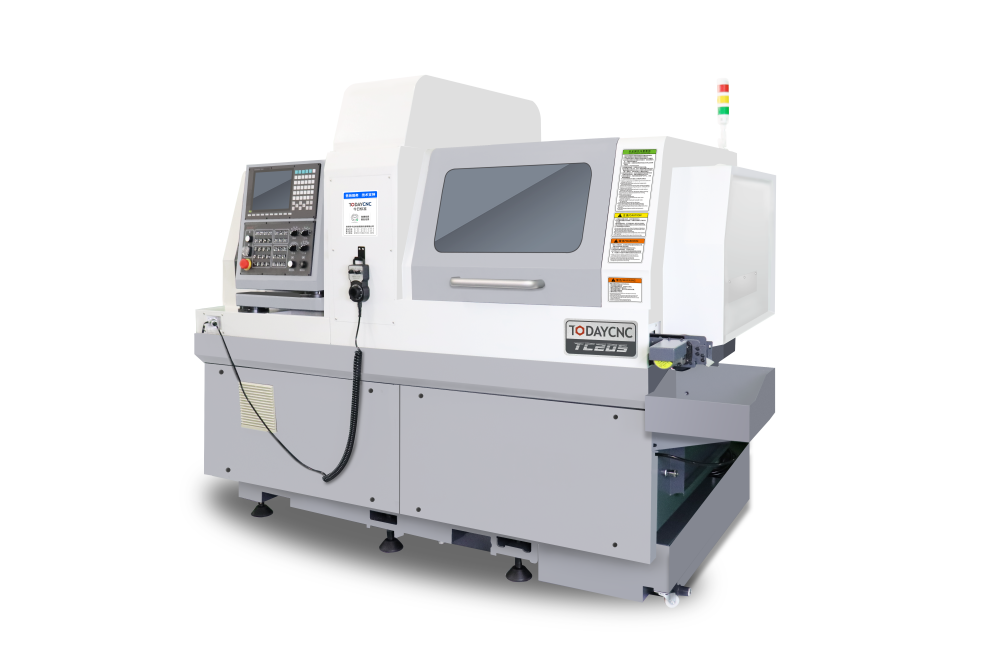
One of the primary advantages of dual spindle lathes is their ability to increase throughput. With two spindles working concurrently, operators can perform different operations on multiple workpieces without the need for additional setup or downtime. This capability not only speeds up production but also reduces labor costs, as fewer machines and operators are required for the same output.
Another significant benefit is the enhanced precision and quality of the machined parts. Dual spindle lathes are equipped with advanced CNC (Computer Numerical Control) technology, allowing for meticulous control over the machining process. This level of precision minimizes the chances of errors and rework, ensuring that the final products meet stringent quality standards. Moreover, the simultaneous processing of components can lead to better consistency across multiple parts, which is especially crucial in industries such as automotive and aerospace manufacturing.
The versatility of dual spindle lathes is also noteworthy. They can accommodate various materials and are suitable for a wide range of applications, from intricate components to large-scale production runs. With the ability to switch between different machining operations—such as turning, drilling, and milling—manufacturers can easily adapt to changing production needs without investing in separate machines for each task.
In addition to these advantages, the integration of dual spindle lathes into manufacturing workflows encourages better space utilization. As they combine multiple functions into a single machine, manufacturers can save valuable floor space in their facilities, which can be redirected to other essential operations or kept open for future expansion.
Lastly, the implementation of dual spindle technology contributes to a more sustainable production environment. By reducing cycle times and improving material efficiency, manufacturers can lower their overall energy consumption and waste generation, aligning with the growing trend of sustainable manufacturing practices.
In summary, dual spindle lathes represent a significant advancement in the realm of CNC machining. With their ability to enhance productivity, precision, and versatility while promoting efficient use of resources, they are becoming an essential tool for manufacturers aiming to stay competitive in an ever-evolving market. Embracing this technology can lead to improved operational efficiency and a stronger position within the industry.
Related Blog



Address: Building 2, Fangda, Huangfengling Industrial Zone, Luozu community, Shiyan Street, Baoan District, Shenzhen, China
Mob: +86 18926575817
Tel: +86 0755 29680609
Fax: +86 0755 29680609
Email: info@todaycnc.com



Copyright & ©2024 TODAY STANDARD PRECISION MACHINE TOOL CO .,LTD
Privacy Policy