



Unlock Precision: How a Bar Feeder Enhances Your Mini CNC Lathe Experience
2024-12-23


1. Introduction to Bar Feeders and Mini CNC Lathes
In the ever-evolving world of manufacturing, precision and efficiency are paramount. A mini cnc lathe with bar feeder, known for its compact size and intricate capabilities, forms the backbone of many machining operations. However, without the right accessories, achieving optimal performance can be challenging. This is where a **bar feeder** comes into play, revolutionizing the way we approach machining tasks.
A bar feeder is designed to automatically feed raw material into a CNC lathe, significantly improving productivity and accuracy. By integrating a bar feeder with a mini CNC lathe, manufacturers can streamline their processes, reduce manual handling, and minimize waste.
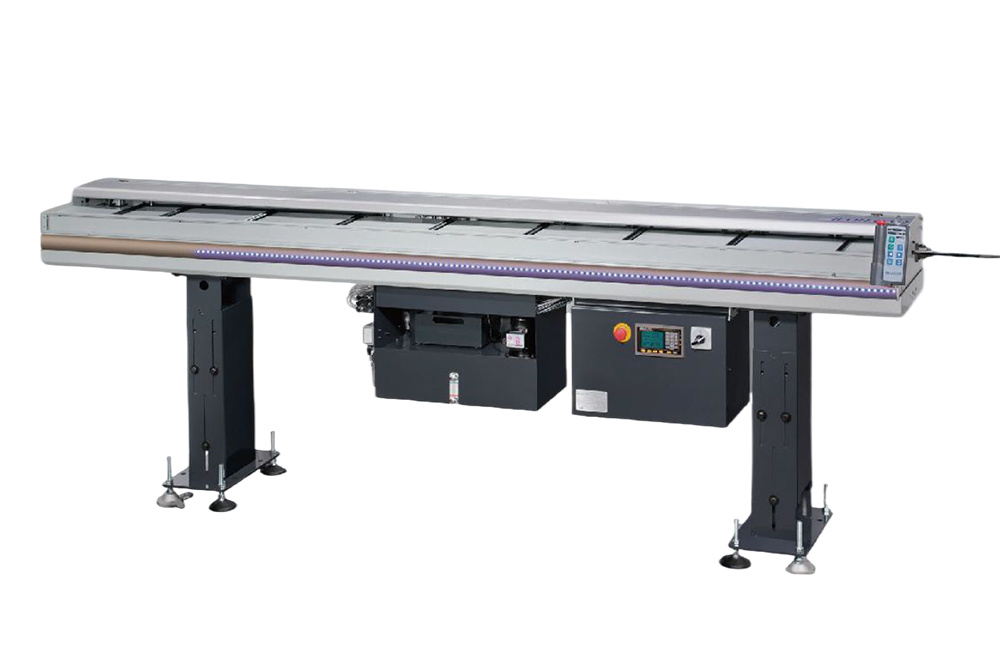
2. What is a Bar Feeder?
A bar feeder is a mechanical device that supplies bars or lengths of material to a CNC lathe. It holds multiple bars of material and feeds them into the lathe, allowing continuous machining without the need for constant manual intervention. This automation not only accelerates production but also helps in maintaining consistent quality.
Bar feeders come in various sizes and configurations, tailored to accommodate different types of materials, including metals and plastics. Their primary role is to ensure a steady supply of raw material to the machining tool, enhancing the overall workflow efficiency.
3. How Bar Feeders Work: Mechanism and Design
Understanding the inner workings of a bar feeder is essential for maximizing its potential. The basic design includes:
- **Magazine or Rack**: This is where the bars are stored. Depending on the feeder type, it can hold several bars simultaneously.
- **Feeding Mechanism**: The feeding system pushes the bars forward into the lathe. This can be done through mechanical means, pneumatic pressure, or servo motors, depending on the design.
- **Guidance System**: This ensures that the bar enters the lathe correctly, preventing jams and misalignment.
- **Control System**: Advanced bar feeders come with programmable controls, allowing operators to set parameters for different materials and lengths.
The seamless integration of these components allows for reliable and precise feeding of material, essential for high-quality machining.
4. Benefits of Using Bar Feeders with Mini CNC Lathes
Integrating a bar feeder with a mini CNC lathe offers numerous advantages that enhance machining operations:
4.1 Increased Productivity
With a bar feeder, the need for manual loading is minimized, allowing for continuous production. This leads to higher output rates, especially for repetitive tasks.
4.2 Improved Precision and Consistency
Bar feeders help maintain uniformity in the lengths of the material fed into the lathe, resulting in consistent machining accuracy. This reduces the risk of defects and enhances product quality.
4.3 Reduced Labor Costs
Automation through bar feeders reduces the need for skilled labor to load materials manually, leading to significant cost savings over time.
4.4 Enhanced Safety
Minimizing manual handling decreases the risk of injuries in the workplace, as operators spend less time near moving parts of the machinery.
4.5 Versatility in Material Handling
Bar feeders can handle various materials, making them adaptable for different machining projects. This flexibility allows manufacturers to diversify their offerings.
5. Types of Bar Feeders Available for Mini CNC Lathes
Understanding the different types of bar feeders can help in selecting the right one for your specific needs:
5.1 Servo-Powered Bar Feeders
These feeders use servo motors for precise control and accuracy, making them ideal for applications requiring exact dimensions.
5.2 Pneumatic Bar Feeders
Using air pressure to feed bars, pneumatic systems are often faster and can be advantageous in high-speed applications.
5.3 Mechanical Bar Feeders
Mechanical feeders utilize traditional mechanical linkages. They are typically more straightforward but may lack the precision of servo-powered systems.
5.4 Fixed-Length Bar Feeders
Designed to feed bars of a specific length, these feeders are less versatile but are perfect for high-volume production of identical parts.
5.5 Adjustable-Length Bar Feeders
These systems can accommodate varying lengths of material, offering flexibility for manufacturers working with multiple products.
6. Installation and Setup of Bar Feeders
Proper installation is crucial for the effective operation of a bar feeder. Here's a step-by-step guide:
6.1 Assess Compatibility
Ensure that the bar feeder is compatible with your specific model of mini CNC lathe. Check manufacturer specifications for dimensions and functions.
6.2 Prepare the Workspace
Clear the area around the lathe to allow for easy installation and operation of the feeder. Ensure all safety protocols are in place.
6.3 Install the Bar Feeder
Follow the manufacturer's instructions for assembling and installing the feeder. Pay special attention to alignment with the CNC lathe to prevent operational issues.
6.4 Connect Controls
Integrate the control system of the bar feeder with the CNC lathe. This may involve wiring connections or programming settings to ensure synchronized operations.
6.5 Testing and Calibration
Conduct a test run with the bar feeder to check for proper functioning. Calibrate settings as per the requirements of the material you are using.
7. Best Practices for Using Bar Feeders
To maximize the efficiency of your bar feeder and CNC lathe setup, consider these best practices:
7.1 Regular Maintenance
Conduct regular maintenance checks on the bar feeder to ensure all parts are functioning correctly. Lubricate moving parts and replace any worn-out components.
7.2 Monitor Material Quality
Use high-quality materials to prevent feeding issues and ensure optimal machining results. Inspect bars for defects before loading.
7.3 Optimize Feed Rates
Adjust feed rates based on the material type and machining requirements. This maximizes productivity while maintaining precision.
7.4 Train Operators
Ensure that all operators are adequately trained in the operation of both the CNC lathe and the bar feeder for safe and efficient use.
7.5 Document Settings and Changes
Keep a detailed log of settings and any changes made during operations. This documentation can be invaluable for troubleshooting and optimizing processes.
8. Common Issues and Solutions When Using Bar Feeders
While bar feeders are designed for efficiency, issues can arise. Here are some common problems and their solutions:
8.1 Jamming Issues
**Symptoms**: The bar feeder may stop working, or the material may not feed into the lathe correctly.
**Solution**: Check the alignment of the feeder with the lathe. Ensure bars are loaded correctly and not exceeding the feeder’s capacity.
8.2 Inconsistent Feed Rates
**Symptoms**: Variations in the speed of material feeding can lead to machining inconsistencies.
**Solution**: Calibrate the feeding mechanism and adjust settings according to the material's specifications.
8.3 Material Defects
**Symptoms**: Defects in the finished parts may indicate issues with the material being fed.
**Solution**: Regularly inspect incoming materials to ensure quality and consistency.
8.4 Control Failures
**Symptoms**: The control system may fail to respond or operate incorrectly.
**Solution**: Check all wiring and connections. Reboot the system and ensure that the software is updated.
9. Conclusion
Integrating a bar feeder with your mini CNC lathe can unlock unprecedented levels of precision and productivity in your machining operations. The benefits of automation, enhanced safety, and improved efficiency make bar feeders an invaluable addition to any workshop. By understanding their types, functionalities, and best practices, manufacturers can ensure that their operations run smoothly and effectively.
Investing in a bar feeder not only optimizes the machining process but also positions your business for future growth in an increasingly competitive landscape.



Address: Building 2, Fangda, Huangfengling Industrial Zone, Luozu community, Shiyan Street, Baoan District, Shenzhen, China
Mob: +86 18926575817
Tel: +86 0755 29680609
Fax: +86 0755 29680609
Email: info@todaycnc.com



Copyright & ©2024 TODAY STANDARD PRECISION MACHINE TOOL CO .,LTD
Privacy Policy