



Understanding CNC Turning Machines: Revolutionizing Manufacturing Processes
2024-10-24


CNC (Computer Numerical Control) turning machines represent a significant advancement in the realm of manufacturing and machining technologies. These machines utilize computer programming to control the movement of tools and equipment, enabling a higher level of precision and automation in the production process. Unlike traditional lathes that require manual operation, CNC turning machines streamline the manufacturing experience, allowing for complex shapes and designs to be created with ease.
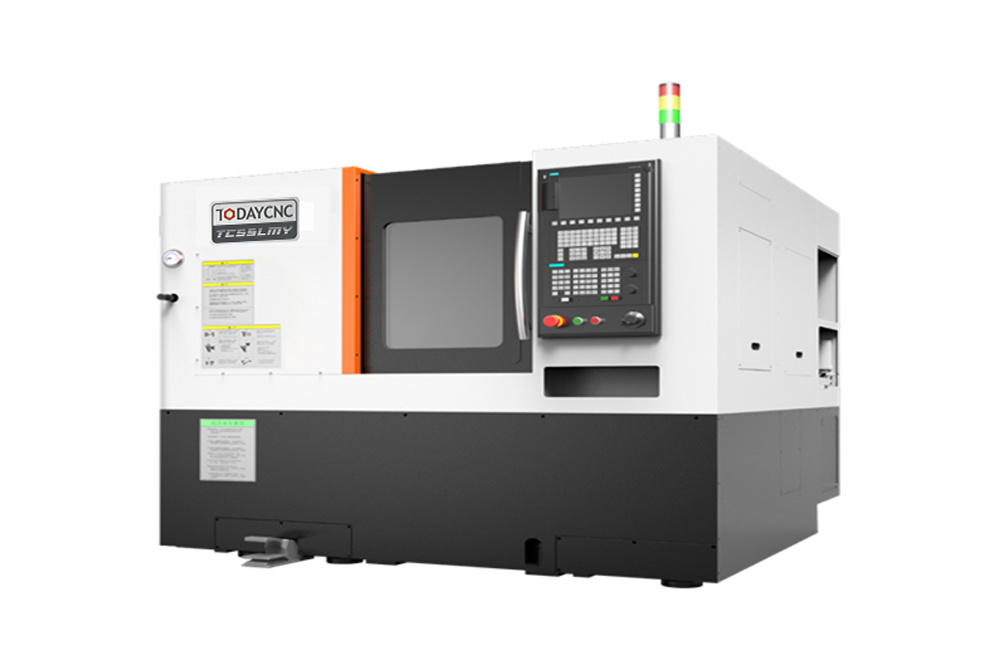
One of the primary features of CNC turning machines is their ability to perform multiple operations simultaneously. Typically, these machines can turn, drill, and mill all in one setup, reducing the need for multiple machines and minimizing production time. This versatility is particularly advantageous in the manufacturing industry, where efficiency and time management are critical for maintaining competitive advantage.
In addition to their operational efficiency, CNC turning machines also provide exceptional accuracy. The use of computerized controls ensures that even the most intricate designs can be produced with minimal error. This level of precision is essential in industries such as aerospace, automotive, and medical device manufacturing, where components must meet stringent quality standards.
Another significant benefit of using CNC turning machines is the reduction of human error. By automating the machining process, manufacturers can decrease the likelihood of mistakes that can occur during manual operations. Additionally, CNC machines can operate continuously, allowing for longer production runs without the need for constant supervision.
Moreover, CNC turning machines offer enhanced flexibility in production. Changes to design specifications can be easily implemented by simply adjusting the computer program, rather than reconfiguring physical machines. This adaptability is crucial in today’s fast-paced manufacturing environment, where customer requirements and market trends can shift rapidly.
These machines also contribute to resource efficiency. CNC turning machines generally produce less waste compared to traditional machining methods, as they can optimize material usage and reduce the amount of scrap produced during manufacturing. This not only helps in conserving materials but also lowers production costs in the long run.
In conclusion, CNC turning machines represent a transformative force in the manufacturing sector. Their ability to combine precision, efficiency, and flexibility makes them an invaluable asset for manufacturers aiming to produce high-quality products competitively. As technology continues to advance, the role of CNC turning machines in manufacturing will likely expand, paving the way for even greater innovations in the machining process. Understanding these machines is essential for anyone involved in the manufacturing industry, as they embody the future of machining technology.



Address: Building 2, Fangda, Huangfengling Industrial Zone, Luozu community, Shiyan Street, Baoan District, Shenzhen, China
Mob: +86 18926575817
Tel: +86 0755 29680609
Fax: +86 0755 29680609
Email: info@todaycnc.com



Copyright & ©2024 TODAY STANDARD PRECISION MACHINE TOOL CO .,LTD
Privacy Policy