



Unlocking Precision: The Advantages of High Precision CNC Lathes in Modern Manufacturing
2026-09-14


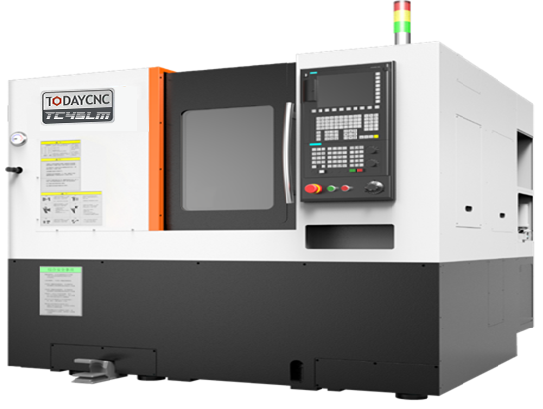
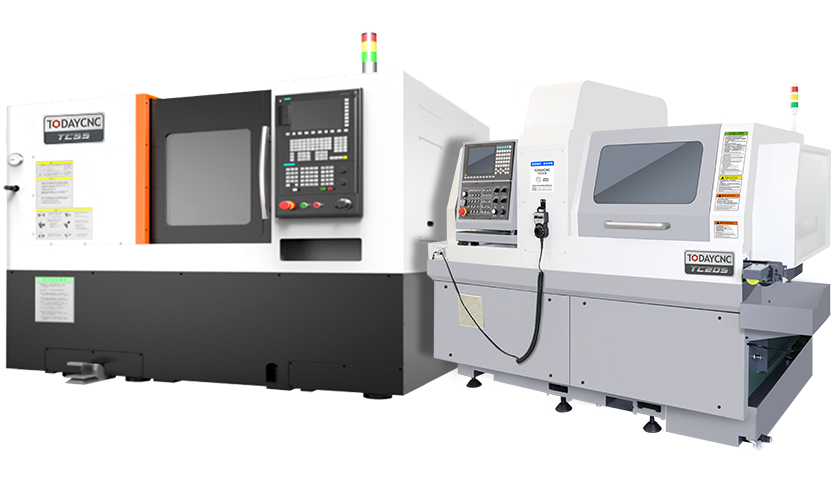
High precision CNC lathes have revolutionized the landscape of manufacturing, particularly in the machining of complex components with tight tolerances. These automated machines integrate Computer Numerical Control (CNC) technology, allowing for precise and repeatable machining processes that are essential for modern manufacturing. By leveraging advanced programming and tooling, high precision CNC lathes deliver superior accuracy, efficiency, and flexibility compared to traditional lathes.
One of the key advantages of high precision CNC lathes is their ability to produce intricate geometries with minimal human intervention. With the use of advanced software, operators can input complex designs and specifications, which the machine interprets to execute precise cuts and finishes. This capability significantly reduces the likelihood of human error, thereby enhancing the overall quality of the machined parts. Industries such as aerospace, automotive, and medical benefit immensely from the accuracy provided by these machines, as they often require components that adhere to stringent specifications.
Furthermore, high precision CNC lathes are designed to handle a variety of materials, including metals, plastics, and composites. This versatility allows manufacturers to diversify their product offerings and meet the demands of various sectors efficiently. The ability to switch between different materials and processes without significant downtime is critical in today's fast-paced manufacturing environment, where time-to-market is paramount.
In terms of productivity, high precision CNC lathes operate at impressive speeds, enabling the mass production of components while maintaining high levels of precision. For manufacturers aiming to improve their production rates, investing in high precision CNC lathes can lead to significant efficiency gains. The automation features of these machines also allow for 24/7 operation, maximizing output and ensuring that production schedules are adhered to.
Maintenance and operational costs are also important considerations when utilizing high precision CNC lathes. These machines often come equipped with sophisticated diagnostic tools that monitor performance and alert operators to potential issues before they escalate. Regular maintenance routines facilitated by these systems can help prolong the lifespan of the equipment and reduce the risk of unexpected downtime.
In summary, high precision CNC lathes represent a critical asset in the manufacturing process, offering unmatched accuracy, efficiency, and versatility. Their ability to adapt to various materials and maintain high production rates makes them indispensable for manufacturers striving for excellence in their machining operations. Adopting high precision CNC technology is not just an investment in machinery but a strategic move towards achieving competitive advantage in the manufacturing landscape.
One of the key advantages of high precision CNC lathes is their ability to produce intricate geometries with minimal human intervention. With the use of advanced software, operators can input complex designs and specifications, which the machine interprets to execute precise cuts and finishes. This capability significantly reduces the likelihood of human error, thereby enhancing the overall quality of the machined parts. Industries such as aerospace, automotive, and medical benefit immensely from the accuracy provided by these machines, as they often require components that adhere to stringent specifications.
Furthermore, high precision CNC lathes are designed to handle a variety of materials, including metals, plastics, and composites. This versatility allows manufacturers to diversify their product offerings and meet the demands of various sectors efficiently. The ability to switch between different materials and processes without significant downtime is critical in today's fast-paced manufacturing environment, where time-to-market is paramount.
In terms of productivity, high precision CNC lathes operate at impressive speeds, enabling the mass production of components while maintaining high levels of precision. For manufacturers aiming to improve their production rates, investing in high precision CNC lathes can lead to significant efficiency gains. The automation features of these machines also allow for 24/7 operation, maximizing output and ensuring that production schedules are adhered to.
Maintenance and operational costs are also important considerations when utilizing high precision CNC lathes. These machines often come equipped with sophisticated diagnostic tools that monitor performance and alert operators to potential issues before they escalate. Regular maintenance routines facilitated by these systems can help prolong the lifespan of the equipment and reduce the risk of unexpected downtime.
In summary, high precision CNC lathes represent a critical asset in the manufacturing process, offering unmatched accuracy, efficiency, and versatility. Their ability to adapt to various materials and maintain high production rates makes them indispensable for manufacturers striving for excellence in their machining operations. Adopting high precision CNC technology is not just an investment in machinery but a strategic move towards achieving competitive advantage in the manufacturing landscape.
Related Blog

Address: Building 2, Fangda, Huangfengling Industrial Zone, Luozu community, Shiyan Street, Baoan District, Shenzhen, China
Mob: +86 18926575817
Tel: +86 0755 29680609
Fax: +86 0755 29680609
Email: info@todaycnc.com



Copyright & ©2024 TODAY STANDARD PRECISION MACHINE TOOL CO .,LTD
Privacy Policy
Business license