



A Comprehensive Guide to Swiss Automatic Lathe Maintenance: Ensuring Precision and Longevity
2026-09-13


A Comprehensive Guide to Swiss Automatic Lathe Maintenance
Table of Contents
- 1. Introduction to Swiss Automatic Lathes
- 2. The Importance of Regular Maintenance
- 3. Daily Maintenance Checklist for Swiss Automatic Lathes
- 4. Weekly Maintenance Tasks
- 5. Monthly Maintenance Procedures
- 6. Troubleshooting Common Issues
- 7. Best Practices for Lathe Maintenance
- 8. Conclusion
- 9. FAQs about Swiss Automatic Lathe Maintenance
1. Introduction to Swiss Automatic Lathes
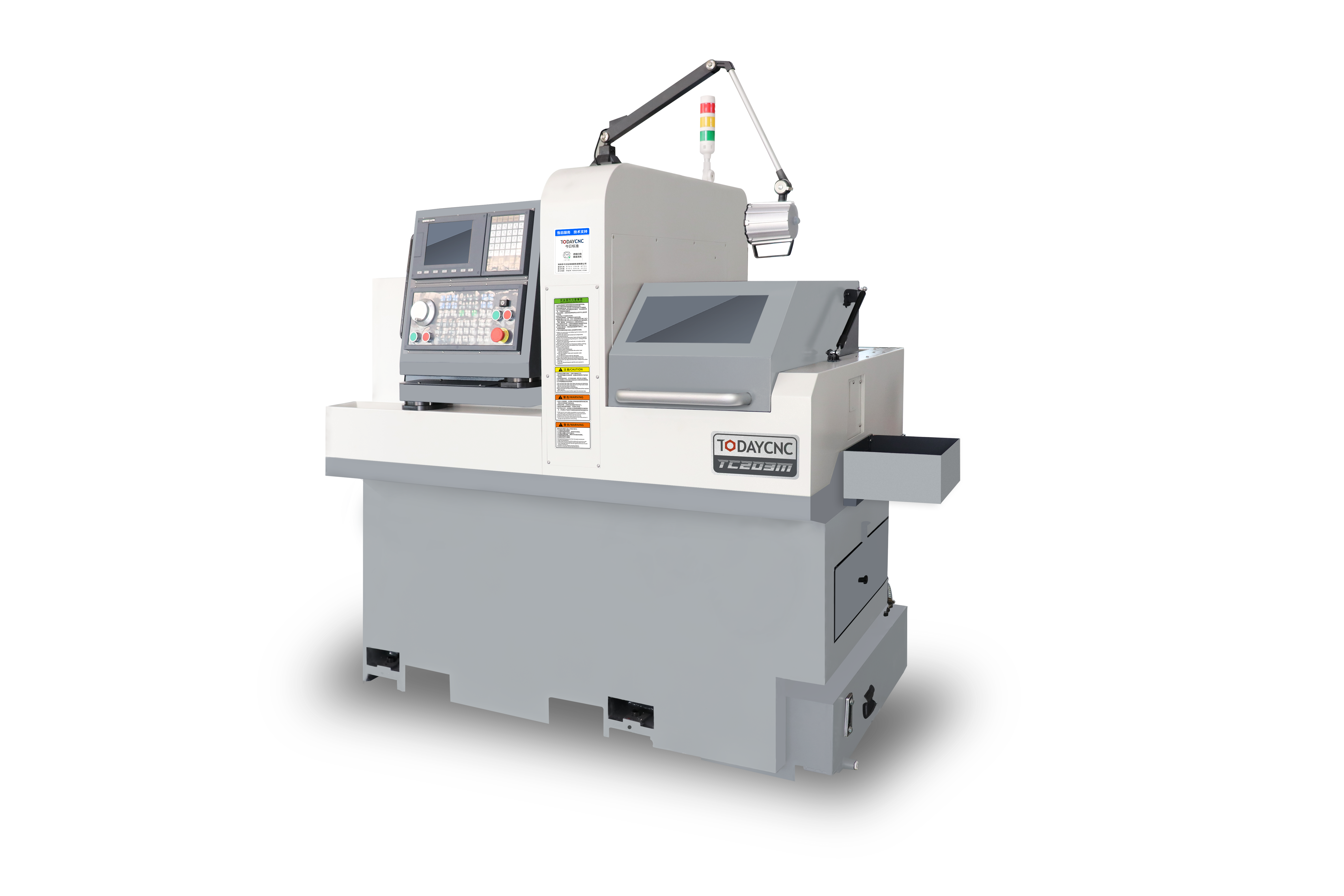
Swiss automatic lathes are renowned for their precision and efficiency in producing high-quality components for various industries, including aerospace, medical, and automotive. These machines are particularly beneficial for manufacturing small, complex parts in large quantities. To ensure optimal performance, it’s crucial to understand the intricacies of maintaining these sophisticated machines.
2. The Importance of Regular Maintenance
Regular maintenance of Swiss automatic lathes is vital for several reasons:
- **Precision**: Frequent maintenance helps maintain the precision and accuracy of the machine, ensuring that the final products meet stringent quality standards.
- **Longevity**: Proper upkeep can significantly extend the lifespan of the lathe, reducing the need for costly repairs or replacements.
- **Cost Efficiency**: By preventing major breakdowns through routine checks, companies can save on downtime and repair costs, leading to higher overall productivity.
In essence, a well-maintained Swiss automatic lathe operates more efficiently, leading to enhanced productivity and profitability.
3. Daily Maintenance Checklist for Swiss Automatic Lathes
Implementing a daily maintenance routine is critical for the consistent performance of Swiss automatic lathes. Here’s a detailed checklist to follow:
3.1 Inspect the Machine
- Check for any signs of wear or damage.
- Inspect the coolant level and replenish if necessary.
- Ensure the chuck and tool holders are secure and free from debris.
3.2 Clean the Work Area
- Remove chips and debris from the machine and surrounding area.
- Ensure that the work surface is clean and organized to prevent accidents.
3.3 Lubrication Checks
- Verify that all lubrication points are adequately filled.
- Apply grease or oil to moving parts as per the manufacturer’s recommendations.
3.4 Operational Tests
- Run the lathe briefly to ensure that it operates smoothly without abnormal noises.
- Listen for any unusual sounds that may indicate mechanical issues.
4. Weekly Maintenance Tasks
In addition to daily checks, weekly maintenance tasks further enhance the operational reliability of Swiss automatic lathes.
4.1 Tool Inspection
- Assess the condition of cutting tools and replace any that show significant wear.
- Ensure tool holders are clean and functioning correctly.
4.2 Alignment Checks
- Conduct alignment checks to ensure that the machine is properly calibrated.
- Make necessary adjustments to maintain precision in machining operations.
4.3 Coolant System Maintenance
- Inspect the coolant system for leaks or blockages.
- Clean the coolant filter and replace it if necessary to maintain proper flow.
5. Monthly Maintenance Procedures
Monthly maintenance procedures involve more intensive checks and adjustments to ensure the Swiss automatic lathe operates at its best.
5.1 Comprehensive Cleaning
- Perform a deep cleaning of the machine, including internal components.
- Remove all accumulated chips and coolant residue.
5.2 Electrical System Inspection
- Inspect electrical connections and wiring for signs of wear or damage.
- Ensure that safety features are functioning correctly.
5.3 Calibration and Testing
- Recalibrate the machine as per the manufacturer’s specifications.
- Test the lathe’s performance with sample operations to ensure all settings are optimal.
6. Troubleshooting Common Issues
Even with regular maintenance, issues may arise in Swiss automatic lathes. Here are some common problems and solutions:
6.1 Inaccurate Cuts
- **Causes**: Tool wear, misalignment, or incorrect settings.
- **Solution**: Inspect tools for wear, check the alignment, and recalibrate settings as necessary.
6.2 Overheating
- **Causes**: Insufficient lubrication or coolant flow.
- **Solution**: Ensure proper lubrication levels and check for blockages in the coolant system.
6.3 Unusual Noises
- **Causes**: Worn bearings or loose components.
- **Solution**: Inspect moving parts for wear and tighten any loose connections.
7. Best Practices for Lathe Maintenance
Following best practices for maintenance can significantly improve the longevity and performance of Swiss automatic lathes.
7.1 Schedule Regular Maintenance
- Create a maintenance schedule that includes daily, weekly, and monthly tasks to ensure consistency.
7.2 Train Operators
- Ensure that all operators are trained in proper maintenance procedures to promote a culture of care and diligence.
7.3 Keep Records
- Maintain detailed maintenance logs, including dates, tasks performed, and any issues encountered. This information can help identify patterns and prevent future problems.
8. Conclusion
Maintaining Swiss automatic lathes is essential for achieving optimal performance and longevity in manufacturing operations. By adhering to a rigorous maintenance schedule that includes daily, weekly, and monthly tasks, operators can prevent costly breakdowns and ensure precision in machining. Understanding common issues and implementing best practices will further enhance the efficiency of these sophisticated machines. With the right maintenance, your Swiss automatic lathe can deliver exceptional results for years to come.
9. FAQs about Swiss Automatic Lathe Maintenance
9.1 How often should I perform maintenance on my Swiss automatic lathe?
Regular maintenance should be performed daily, weekly, and monthly, as outlined in this guide, to ensure optimal performance.
9.2 What are the most common issues with Swiss automatic lathes?
Common issues include inaccurate cuts, overheating, and unusual noises, which can often be traced back to improper maintenance.
9.3 How can I improve the lifespan of my Swiss automatic lathe?
Implementing a consistent maintenance schedule, training operators, and keeping detailed records are key strategies to enhance the lifespan of your lathe.
9.4 What kind of lubrication is recommended for Swiss automatic lathes?
Always refer to the manufacturer’s guidelines for specific lubrication types and intervals, as these can vary depending on the machine model.
9.5 Can I perform maintenance myself, or should I hire a technician?
While many routine maintenance tasks can be performed by trained operators, complex repairs and major overhauls should be conducted by qualified technicians to ensure safety and reliability.
By following this comprehensive guide, you will not only maintain your Swiss automatic lathe effectively but also enhance its performance and reliability in your machining operations.
Related Blog

Address: Building 2, Fangda, Huangfengling Industrial Zone, Luozu community, Shiyan Street, Baoan District, Shenzhen, China
Mob: +86 18926575817
Tel: +86 0755 29680609
Fax: +86 0755 29680609
Email: info@todaycnc.com



Copyright & ©2024 TODAY STANDARD PRECISION MACHINE TOOL CO .,LTD
Privacy Policy
Business license