



The Future of CNC Swiss Turning Machines: Key Trends to Watch for in Precision Engineering
2026-08-14


The Future of CNC Swiss Turning Machines: Key Trends to Watch for in Precision Engineering
Table of Contents
- Introduction to CNC Swiss Turning Machines
- What is CNC Swiss Turning?
- The Evolution of Swiss Turning Machines
- Latest Technological Advancements in CNC Swiss Turning
- Industry Trends Shaping the Future of CNC Swiss Turning
- The Impact of Automation and AI on CNC Swiss Turning
- Sustainability in CNC Swiss Turning Machines
- How to Choose the Right CNC Swiss Turning Machine
- Future Outlook for CNC Swiss Turning Machines
- Frequently Asked Questions
- Conclusion
Introduction to CNC Swiss Turning Machines
The landscape of manufacturing is continually evolving, driven by technological advancements and the need for higher precision in component production. CNC Swiss turning machines represent a significant leap forward in this journey. Specifically designed for manufacturing small, complex parts with high precision, these machines are indispensable in various industries, from automotive to aerospace. They allow for the rapid production of intricate components, ensuring that manufacturers can meet the ever-increasing demands for quality and efficiency. In this article, we will delve into the future of CNC Swiss turning machines, examining key trends that will shape their development and application.
What is CNC Swiss Turning?
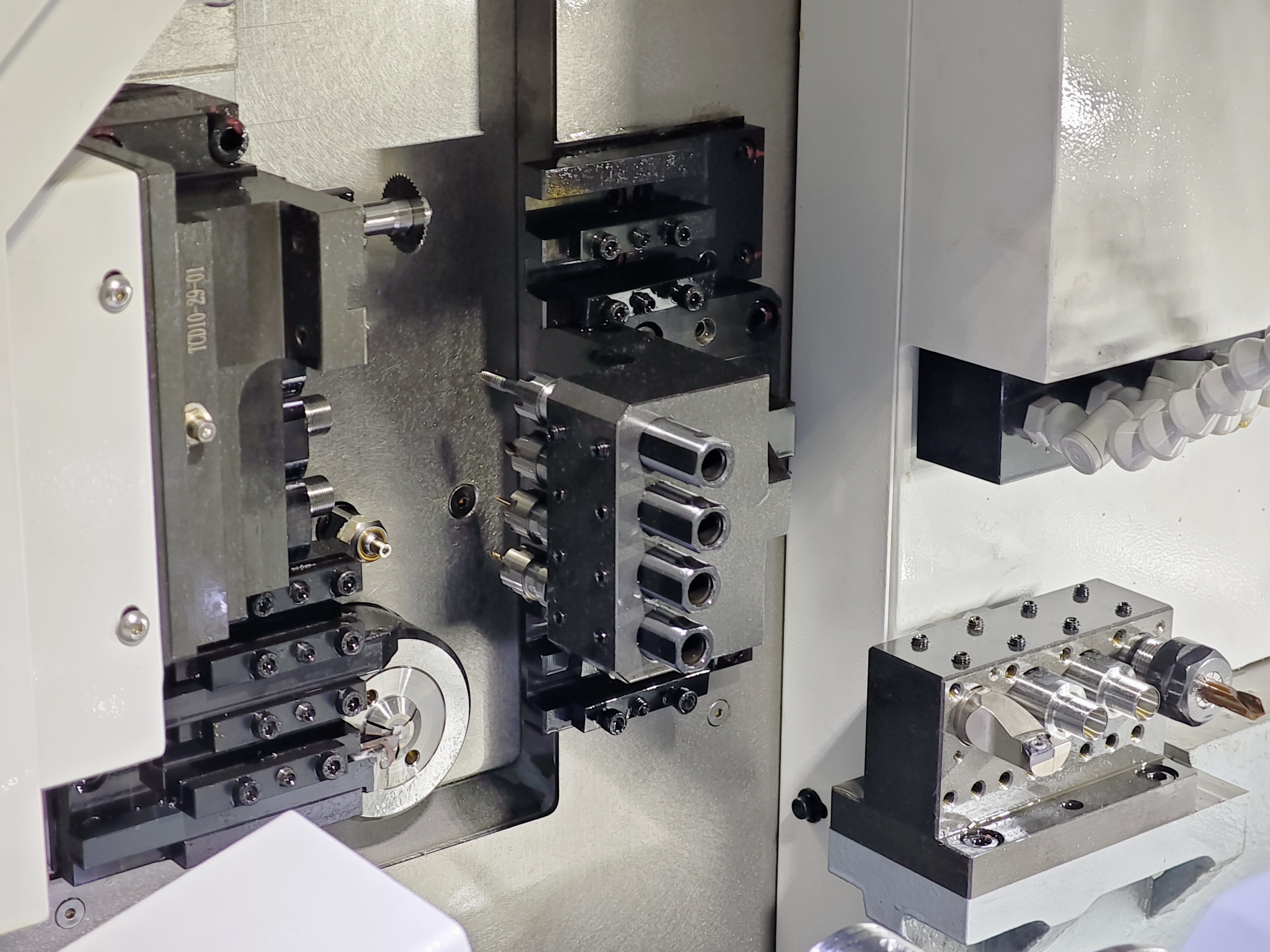
CNC Swiss turning is a machining process that employs computer numerical control (CNC) to produce highly precise components. The unique feature of Swiss turning is that it uses a sliding headstock system, which allows the workpiece to be fed through the machine as it is cut. This method is particularly effective for short, slender parts and is favored for its ability to maintain tight tolerances. The movement of the tools is synchronized with the rotation of the workpiece, resulting in superior surface finishes and enhanced accuracy.
Advantages of CNC Swiss Turning
The advantages of CNC Swiss turning are manifold. **Increased Efficiency** is one of the primary benefits, as these machines can perform multiple operations in a single setup. Additionally, **Reduced Waste** is achieved through precise cutting techniques, which minimizes excess material usage. Furthermore, these machines offer **Flexibility** in manufacturing, allowing for swift adjustments when moving from one job to another. Finally, CNC Swiss turning machines enhance **Quality Assurance**, delivering components that meet stringent industry standards.
The Evolution of Swiss Turning Machines
Swiss turning machines have undergone significant changes since their inception in the early 20th century. Originally, these machines were purely mechanical, requiring skilled operators to manage the intricate processes involved. With the advent of CNC technology, the evolution accelerated, enabling greater automation and precision.
From Mechanical to CNC
The shift from mechanical to CNC technology has revolutionized Swiss turning. Early machines relied heavily on manual input, which limited production speed and accuracy. The introduction of CNC capabilities allowed for programming that could replicate complex geometries with incredible precision. This transition also resulted in a decrease in labor costs, as fewer operators were needed to oversee operations.
Latest Technological Advancements in CNC Swiss Turning
Recent technological advancements have further propelled the capabilities of CNC Swiss turning machines. This section will explore the most notable innovations currently shaping the industry.
Integration of IoT and Smart Manufacturing
The Internet of Things (IoT) has made significant strides in integrating smart technologies with CNC Swiss turning machines. Manufacturers are now able to collect data in real-time, facilitating better decision-making and predictive maintenance. This integration reduces downtime, enhances productivity, and optimizes manufacturing processes.
Enhanced Software Solutions
Advancements in software solutions have also played a critical role in the evolution of CNC Swiss turning. Modern programming software allows for sophisticated simulations and optimizations, enabling engineers to anticipate potential issues before they arise during actual production. This capability leads to improved planning and reduced errors in manufacturing.
Improved Tooling Technologies
The development of advanced tooling technologies has significantly enhanced the performance of CNC Swiss turning machines. New materials and coatings for cutting tools have improved durability and resistance to wear, resulting in longer tool life and reduced replacement frequency. These improvements contribute to lower operational costs and greater overall efficiency.
Industry Trends Shaping the Future of CNC Swiss Turning
As technology continues to evolve, several key trends are emerging that will likely define the future of CNC Swiss turning machines.
Customization and Personalization
With the demand for customized products on the rise, CNC Swiss turning machines are adapting to provide greater flexibility in manufacturing. Manufacturers are increasingly focusing on creating bespoke solutions that cater to specific client needs, enabling them to stay competitive in a rapidly changing market.
Focus on Quality and Precision
Quality remains a paramount concern in manufacturing. As industries strive for excellence, CNC Swiss turning machines are being designed to exceed traditional quality benchmarks. This focus on precision ensures that manufacturers produce components that meet or surpass industry standards, thus fostering trust and reliability.
Workforce Development and Skills Training
As advanced technology becomes more integral to manufacturing processes, investing in workforce development is essential. Companies are recognizing the importance of training their employees in the latest CNC technologies and software, ensuring they have the necessary skills to operate modern machines effectively.
The Impact of Automation and AI on CNC Swiss Turning
Automation and artificial intelligence (AI) are poised to revolutionize CNC Swiss turning machines. The integration of these technologies enhances productivity and opens new avenues for efficiency.
Increased Automation
Automation allows for the continuous operation of CNC Swiss turning machines, reducing the need for manual intervention. This transition improves output consistency and enables manufacturers to operate around the clock, significantly increasing production rates.
AI-Driven Decision Making
AI's integration into CNC Swiss turning machines enables more sophisticated decision-making processes. Predictive analytics powered by AI can foresee maintenance needs and optimize machining parameters, further enhancing operational efficiency.
Sustainability in CNC Swiss Turning Machines
As the world faces increasing environmental challenges, sustainability has become a critical focus in manufacturing. CNC Swiss turning machines are evolving to meet these demands.
Energy Efficiency
Modern CNC Swiss turning machines are designed to be energy-efficient, employing technologies that minimize power consumption during operation. This shift not only lowers operational costs but also reduces the carbon footprint of manufacturing processes.
Minimization of Waste
Sustainability in CNC Swiss turning also involves the reduction of material waste. Advanced cutting techniques and improved tooling technologies contribute to less scrap material, aligning manufacturing processes with sustainable practices.
How to Choose the Right CNC Swiss Turning Machine
Selecting the appropriate CNC Swiss turning machine can significantly impact manufacturing outcomes. Several factors should be considered when making this important decision.
Assessing Production Needs
Understanding specific production requirements is crucial. This includes evaluating part size, complexity, and volume. Manufacturers should choose machines that align with their precise production needs and future growth plans.
Considering Machine Features
When selecting a CNC Swiss turning machine, it’s essential to consider features such as spindle speed, axis configuration, and tooling options. A machine that offers advanced features can enhance productivity and efficiency.
Cost vs. Value Analysis
While cost is undoubtedly a critical factor, it’s important to conduct a comprehensive value analysis. Investing in high-quality, reliable machines can lead to long-term savings through reduced maintenance and increased productivity.
Future Outlook for CNC Swiss Turning Machines
The future of CNC Swiss turning machines looks promising, marked by continuous advancements and shifts in manufacturing paradigms. Innovations in technology will further enhance capabilities, driving the industry toward unprecedented levels of precision and efficiency.
Continued Integration of Advanced Technologies
As technology continues to evolve, we can expect even more sophisticated integrations of AI, IoT, and automation in CNC Swiss turning machines. These advancements will enhance operational efficiency and redefine manufacturing approaches across industries.
Expansion of Applications
The applications of CNC Swiss turning machines are set to expand into new markets and industries. With the increasing demand for precision-engineered components, manufacturers will find new ways to leverage CNC Swiss turning in diverse sectors.
Enhanced Collaboration between Man and Machine
The future will likely see a greater emphasis on the collaboration between human operators and machine intelligence. This synergy will enable manufacturers to optimize production workflows and drive innovation within CNC Swiss turning processes.
Frequently Asked Questions
1. What industries commonly use CNC Swiss turning machines?
CNC Swiss turning machines are widely used in industries such as automotive, aerospace, medical devices, and electronics, where precision and quality are critical.
2. How can CNC Swiss turning improve production efficiency?
CNC Swiss turning improves production efficiency through rapid machining cycles, reduced setup times, and the ability to perform multiple operations simultaneously.
3. What factors should I consider when purchasing a CNC Swiss turning machine?
Consider production volume, part complexity, tooling options, and machine features when selecting a CNC Swiss turning machine to ensure it aligns with your manufacturing needs.
4. Are CNC Swiss turning machines cost-effective?
While the initial investment may be higher, CNC Swiss turning machines often result in long-term cost savings due to increased productivity and reduced material waste.
5. How does automation impact CNC Swiss turning?
Automation enhances CNC Swiss turning by allowing machines to operate continuously with minimal human intervention, leading to increased productivity and consistency in production.
Conclusion
The future of CNC Swiss turning machines is characterized by rapid advancements and a shift toward greater efficiency, precision, and sustainability. By embracing technological innovations such as IoT, AI, and automation, manufacturers can enhance their production capabilities and maintain competitiveness in an evolving market. As we look ahead, it's clear that CNC Swiss turning machines will play a pivotal role in shaping the future of precision engineering, responding to the ongoing demands for customization and quality. Investing in the latest technologies will not only improve operational efficiency but also ensure manufacturers are well-equipped to meet the challenges of tomorrow's manufacturing landscape.
Related Blog

Address: Building 2, Fangda, Huangfengling Industrial Zone, Luozu community, Shiyan Street, Baoan District, Shenzhen, China
Mob: +86 18926575817
Tel: +86 0755 29680609
Fax: +86 0755 29680609
Email: info@todaycnc.com



Copyright & ©2024 TODAY STANDARD PRECISION MACHINE TOOL CO .,LTD
Privacy Policy
Business license