



The Importance of Training for Swiss Sliding Head Lathe Operators: Mastering Precision and Efficiency
2026-09-03


The Importance of Training for Swiss Sliding Head Lathe Operators
In today's competitive manufacturing landscape, **Swiss sliding head lathes** play a pivotal role in producing precision components for various industries. As technology evolves, so do the complexities of operating these sophisticated machines. Thus, comprehensive training for Swiss sliding head lathe operators is not merely beneficial—it is essential. In this article, we will explore why effective training programs are vital for ensuring that operators not only understand the mechanics of the machines but also develop the skills needed to enhance productivity and maintain safety standards.
Understanding Swiss Sliding Head Lathes
Swiss sliding head lathes, also known as **Swiss-type lathes**, are specialized machines designed for high-precision manufacturing. They have gained popularity due to their ability to produce complex parts with tight tolerances in a highly efficient manner.
How Swiss Sliding Head Lathes Work
These lathes utilize a unique mechanism where the workpiece is held in a sliding headstock that moves back and forth. This allows the operator to create intricate shapes and features through a combination of rotational and linear movements. The versatility of Swiss sliding head lathes makes them indispensable in sectors such as aerospace, medical devices, and automotive production.
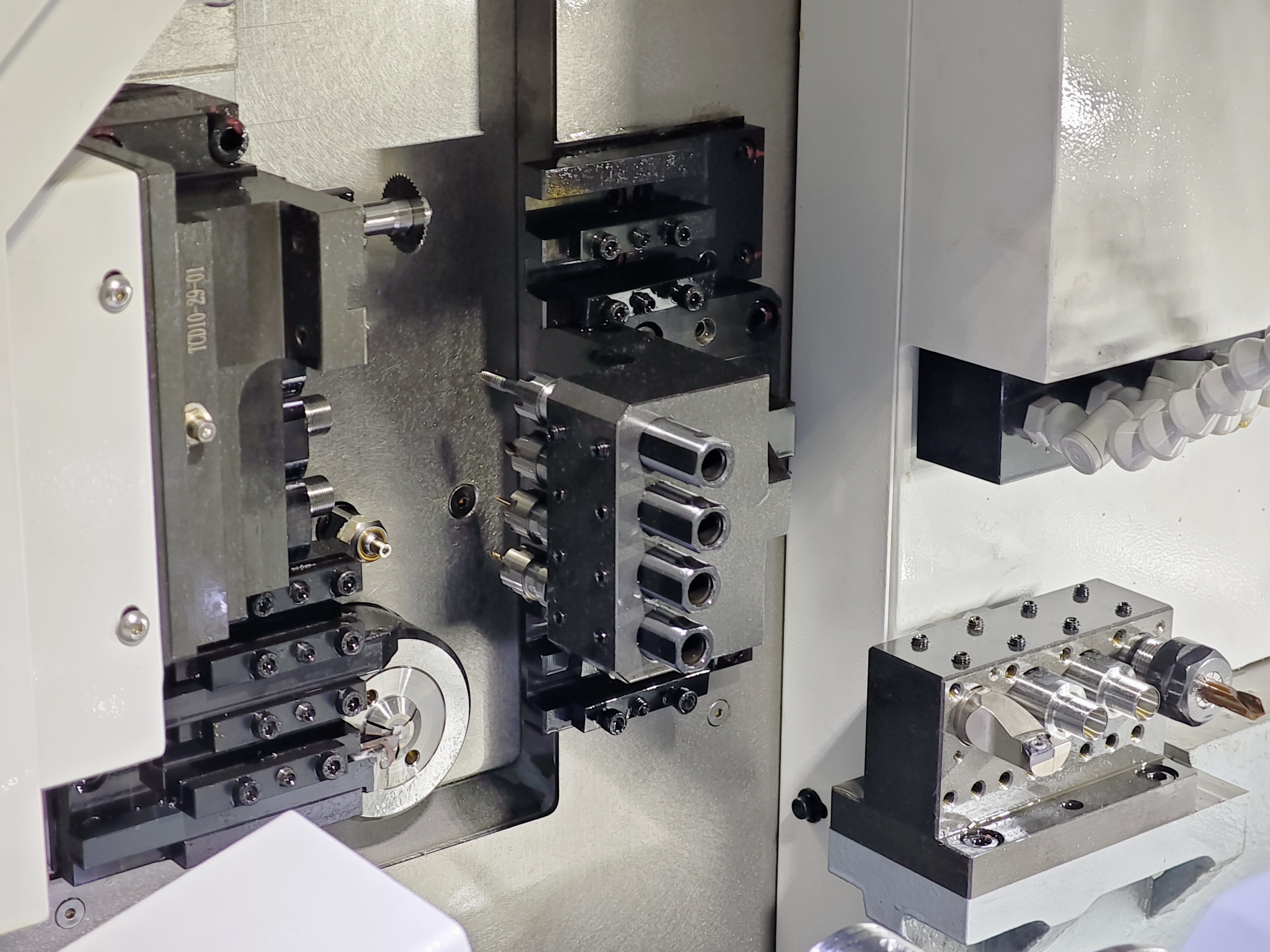
Key Components of Swiss Sliding Head Lathes
Understanding the components of Swiss sliding head lathes is fundamental for operators. Essential parts include:
- **Spindle**: The heart of the machine, responsible for rotating the workpiece.
- **Tool Holder**: Holds the cutting tools in place, allowing for precise machining.
- **Guide Bush**: Supports the workpiece and improves accuracy during machining.
- **Control Panel**: Interfaces with the operator, allowing for adjustments and monitoring.
The Need for Comprehensive Training
As technology advances, the complexity of Swiss sliding head lathes increases. Comprehensive training is necessary for several reasons:
1. Enhancing Skillsets
Training equips operators with the skills required to maneuver the machines effectively. Knowledge in areas such as **CNC programming**, tool setup, and troubleshooting is critical. Well-trained operators can adapt to new technologies and methodologies more swiftly, ensuring that production timelines are met without sacrificing quality.
2. Minimizing Errors
In precision manufacturing, even the slightest error can lead to significant setbacks. Training minimizes these errors by teaching operators how to conduct proper setups, maintain the machines, and perform quality checks. This focus on precision results in fewer scrap parts and rework, ultimately saving time and money.
3. Ensuring Workplace Safety
Safety is paramount in any manufacturing environment. Operators trained in machine safety protocols understand how to operate the equipment safely, thereby reducing the likelihood of accidents. Training also emphasizes the importance of personal protective equipment (PPE) and adherence to safety regulations.
Creating a Safety-First Culture
Organizations that prioritize training foster a culture of safety. Regular training sessions ensure that operators remain updated on the latest safety practices, contributing to a safer work environment overall.
Components of an Effective Training Program
To develop a robust training program for Swiss sliding head lathe operators, several components should be included:
1. Structured Curriculum
A well-defined curriculum that covers both theoretical and practical aspects of operating Swiss sliding head lathes is essential. Topics should include:
- **Machine Operation**: Understanding the controls, settings, and operational parameters.
- **Programming**: Familiarization with CNC programming languages and software.
- **Maintenance**: Routine maintenance practices to extend the lifespan of the machine.
2. Hands-On Experience
Theory without practice is insufficient. Incorporating hands-on training sessions allows operators to apply what they have learned in a controlled environment. This experiential learning fosters confidence and competence.
3. Expert Instructors
Instructors with real-world experience in operating Swiss sliding head lathes are invaluable in a training program. Their insights and tips can enhance the learning experience, providing operators with a deeper understanding of the nuances of the machinery.
4. Continuous Improvement Programs
Training should not be a one-time event. Ongoing education and skills enhancement keep operators informed about technological advancements and best practices. Continuous improvement initiatives can involve workshops, certifications, and refresher courses.
Measuring the Success of Training Programs
To ensure that training initiatives are effective, organizations must have mechanisms in place for measuring success. Key performance indicators (KPIs) can include:
1. Productivity Metrics
Monitoring production output and efficiency before and after training can provide insights into the effectiveness of the training program. Increased productivity levels often indicate successful training.
2. Error Rates
Tracking the frequency of errors or defects in produced parts can help assess the training's impact on operational accuracy. A decrease in error rates post-training suggests that operators have effectively absorbed the training material.
3. Safety Incidents
Analyzing workplace safety records before and after training can reveal improvements in safety culture among operators. A reduction in accidents indicates that safety training has been successful.
The Role of Technology in Training
Modern training programs can leverage technology to enhance learning experiences.
1. Virtual Reality (VR) Simulations
VR technology allows operators to train in a simulated environment where they can learn to operate Swiss sliding head lathes without the risks associated with real machinery. This approach can significantly enhance the learning curve.
2. Online Learning Platforms
With the rise of online education, organizations can utilize e-learning modules to deliver training content. These platforms allow operators to learn at their own pace and revisit materials as needed.
3. Video Tutorials
Creating a library of video tutorials covering various aspects of machine operation can serve as a valuable resource for operators. Visual learning can often enhance understanding and retention of complex concepts.
Conclusion: Investing in Operator Training
The importance of training for Swiss sliding head lathe operators cannot be overstated. In an industry where precision and efficiency are paramount, investing in comprehensive training programs is crucial for success. By enhancing skillsets, minimizing errors, ensuring workplace safety, and fostering continuous improvement, organizations can optimize their operations and remain competitive in the manufacturing sector. Ultimately, well-trained operators are the backbone of any successful manufacturing business, capable of meeting the challenges of today's dynamic industrial environment.
FAQs
1. Why is training important for Swiss sliding head lathe operators?
Training is vital for enhancing skills, minimizing errors, ensuring safety, and promoting productivity in the manufacturing process.
2. What are the key components of a training program for lathe operators?
A structured curriculum, hands-on experience, expert instructors, and continuous improvement programs are essential components.
3. How can technology enhance training for lathe operators?
Technological innovations such as VR simulations, online learning platforms, and video tutorials can create engaging and effective training experiences.
4. How can organizations measure the success of their training programs?
Success can be measured through productivity metrics, error rates, and safety incident statistics before and after training.
5. What industries benefit from Swiss sliding head lathes?
Industries such as aerospace, medical devices, and automotive production heavily rely on Swiss sliding head lathes for precision manufacturing.
Related Blog

Address: Building 2, Fangda, Huangfengling Industrial Zone, Luozu community, Shiyan Street, Baoan District, Shenzhen, China
Mob: +86 18926575817
Tel: +86 0755 29680609
Fax: +86 0755 29680609
Email: info@todaycnc.com



Copyright & ©2024 TODAY STANDARD PRECISION MACHINE TOOL CO .,LTD
Privacy Policy
Business license