



The Advantages of 6 Axis Swiss CNC Machines in Precision Manufacturing
2026-09-02


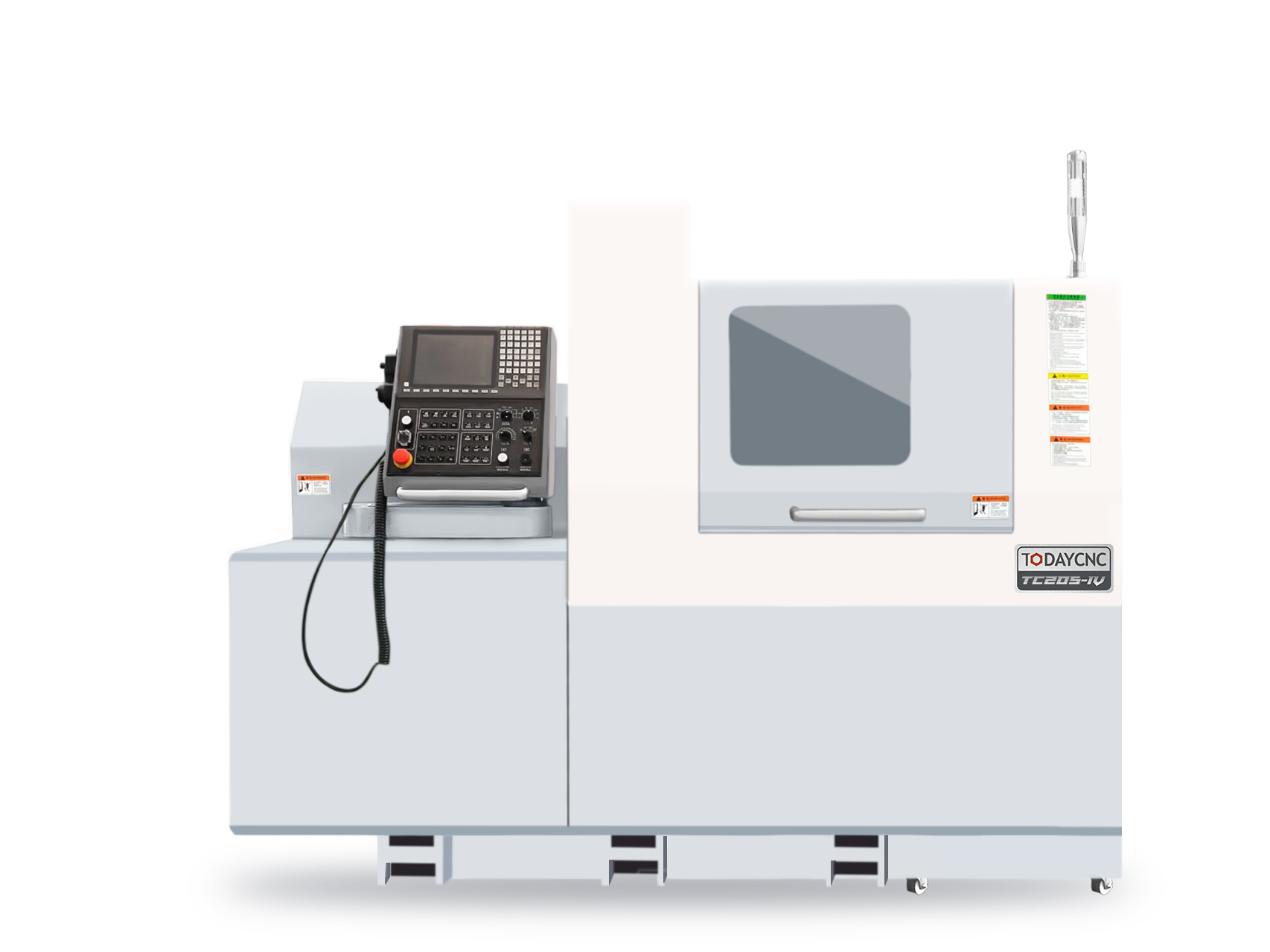
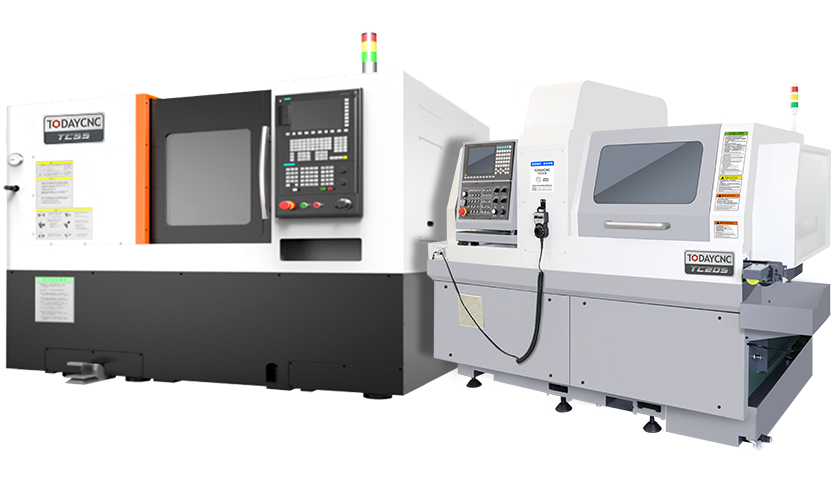
In the realm of manufacturing and machining, the emergence of technology has dramatically altered the landscape of production processes. One notable advancement is the 6 axis Swiss CNC (Computer Numerical Control) machine, which has revolutionized the way precision parts are manufactured. These machines take traditional Swiss-style lathes to the next level by introducing additional axes of movement, allowing for enhanced flexibility and capability.
The primary advantage of a 6 axis Swiss CNC machine lies in its ability to perform complex machining tasks with a high degree of accuracy. Unlike standard CNC machines, which typically operate on three axes, the addition of three more axes enables the machine to execute intricate geometries that would be impossible or considerably more challenging with less sophisticated equipment. This enhanced functionality is especially beneficial for industries that require precision components, such as aerospace, medical, and automotive manufacturing.
Another significant benefit of 6 axis Swiss CNC machines is their efficiency. These machines can perform multiple operations simultaneously, reducing the need for part transfers between various machines. This not only streamlines the manufacturing process but also minimizes the risk of errors that can occur during transfers. As a result, manufacturers can achieve quicker turnaround times for production runs, which is vital in today’s fast-paced market.
Furthermore, the 6 axis capability allows for the production of parts with complex contours, threading, and even secondary operations like drilling and milling, all within a single setup. This versatility not only saves time but also conserves resources, as fewer tools and setups are required. The overall reduction in machine cycle time can lead to significant cost savings and improved profitability for manufacturers.
Additionally, the precision offered by 6 axis Swiss CNC machines contributes to higher quality parts. The ability to maintain tighter tolerances throughout the machining process ensures that components meet stringent specifications, which is crucial for applications where failure is not an option. This level of accuracy enhances the reputation of manufacturers and builds trust with clients who rely on high-quality components for their products.
Moreover, as industries increasingly adopt automation, 6 axis Swiss CNC machines can be integrated seamlessly into automated workflows, enabling manufacturers to enhance productivity further. This integration supports the trend of Industry 4.0, where smart manufacturing solutions are becoming the standard.
In conclusion, the adoption of 6 axis Swiss CNC machines represents a significant leap forward in the manufacturing sector. By combining advanced capabilities with increased efficiency and precision, these machines are poised to play a critical role in the future of machining. For manufacturers looking to stay competitive, investing in this technology is essential to meet the evolving demands of the industry.
The primary advantage of a 6 axis Swiss CNC machine lies in its ability to perform complex machining tasks with a high degree of accuracy. Unlike standard CNC machines, which typically operate on three axes, the addition of three more axes enables the machine to execute intricate geometries that would be impossible or considerably more challenging with less sophisticated equipment. This enhanced functionality is especially beneficial for industries that require precision components, such as aerospace, medical, and automotive manufacturing.
Another significant benefit of 6 axis Swiss CNC machines is their efficiency. These machines can perform multiple operations simultaneously, reducing the need for part transfers between various machines. This not only streamlines the manufacturing process but also minimizes the risk of errors that can occur during transfers. As a result, manufacturers can achieve quicker turnaround times for production runs, which is vital in today’s fast-paced market.
Furthermore, the 6 axis capability allows for the production of parts with complex contours, threading, and even secondary operations like drilling and milling, all within a single setup. This versatility not only saves time but also conserves resources, as fewer tools and setups are required. The overall reduction in machine cycle time can lead to significant cost savings and improved profitability for manufacturers.
Additionally, the precision offered by 6 axis Swiss CNC machines contributes to higher quality parts. The ability to maintain tighter tolerances throughout the machining process ensures that components meet stringent specifications, which is crucial for applications where failure is not an option. This level of accuracy enhances the reputation of manufacturers and builds trust with clients who rely on high-quality components for their products.
Moreover, as industries increasingly adopt automation, 6 axis Swiss CNC machines can be integrated seamlessly into automated workflows, enabling manufacturers to enhance productivity further. This integration supports the trend of Industry 4.0, where smart manufacturing solutions are becoming the standard.
In conclusion, the adoption of 6 axis Swiss CNC machines represents a significant leap forward in the manufacturing sector. By combining advanced capabilities with increased efficiency and precision, these machines are poised to play a critical role in the future of machining. For manufacturers looking to stay competitive, investing in this technology is essential to meet the evolving demands of the industry.
Related Blog

Address: Building 2, Fangda, Huangfengling Industrial Zone, Luozu community, Shiyan Street, Baoan District, Shenzhen, China
Mob: +86 18926575817
Tel: +86 0755 29680609
Fax: +86 0755 29680609
Email: info@todaycnc.com



Copyright & ©2024 TODAY STANDARD PRECISION MACHINE TOOL CO .,LTD
Privacy Policy
Business license