



The Mechanics Behind 5 Axis Swiss CNC: Unveiling Precision in Manufacturing
2026-11-15


The Mechanics Behind 5 Axis Swiss CNC: Unveiling Precision in Manufacturing
Table of Contents
- Introduction to 5 Axis Swiss CNC Technology
- What is Swiss CNC Machining?
- Understanding 5 Axis Machining
- Advantages of 5 Axis Swiss CNC
- The Mechanics of 5 Axis Swiss CNC Machines
- Applications of 5 Axis Swiss CNC Technology
- Choosing the Right 5 Axis Swiss CNC Machine
- Maintenance Tips for 5 Axis Swiss CNC Machines
- The Future of 5 Axis Swiss CNC Technology
- FAQs About 5 Axis Swiss CNC
- Conclusion
Introduction to 5 Axis Swiss CNC Technology
In the rapidly evolving landscape of manufacturing technology, **5 Axis Swiss CNC** stands out as a beacon of precision and efficiency. This advanced machining process is essential for manufacturers striving to meet the growing demands for complex geometries and tighter tolerances in various industries. In this article, we will delve into the mechanics of 5 Axis Swiss CNC, highlighting its advantages, applications, and the intricacies that make it a pivotal technology in modern manufacturing.
What is Swiss CNC Machining?
Swiss CNC machining, originating from Switzerland, is a specialized form of **automatic lathe machining**. It utilizes a unique sliding headstock mechanism, allowing for precision machining of small-diameter parts. The hallmark of Swiss CNC is the ability to create intricate components in a single setup, minimizing the need for secondary operations.
The process is characterized by the following features:
- **High Precision:** Swiss CNC machines provide exceptional accuracy, making them ideal for industries that demand tight tolerances.
- **Efficiency:** With the capability to perform multiple operations simultaneously, Swiss CNC significantly reduces production time.
- **Versatility:** From medical devices to aerospace components, Swiss CNC can handle a wide range of materials and geometries.
Understanding 5 Axis Machining
**5 Axis machining** refers to the method of simultaneously controlling five different axes of motion. Unlike traditional machining methods that typically operate on three axes, 5 Axis machines can rotate around two additional axes (A and B axes), allowing for more complex part geometries to be machined in a single setup.
The axes are defined as follows:
- **X and Y Axes:** Horizontal and vertical movements.
- **Z Axis:** Depth control.
- **A Axis:** Rotation around the X-axis.
- **B Axis:** Rotation around the Y-axis.
This multi-axis capability enables manufacturers to create parts with intricate shapes, minimizing setup times and increasing overall production efficiency.
How 5 Axis Machining Works
In a typical 5 Axis Swiss CNC setup, the workpiece is held firmly in place while the cutting tool moves along all five axes. This flexibility allows the machine to approach the part from virtually any angle, ensuring optimal cutting conditions and reducing tool wear. The software that controls these machines utilizes advanced algorithms to program the necessary movements, translating complex designs into precise machining instructions.
Advantages of 5 Axis Swiss CNC
The adoption of **5 Axis Swiss CNC** technology comes with several key advantages that make it a preferred choice in modern manufacturing environments:
Enhanced Precision and Accuracy
With its ability to engage multiple axes simultaneously, 5 Axis Swiss CNC machines can achieve higher levels of precision and accuracy. This capability is crucial for industries such as aerospace and medical devices, where even minor deviations can lead to significant consequences.
Reduction in Setup Time
By machining complex geometries in a single setup, manufacturers can significantly reduce setup times. This efficiency translates to lower production costs and faster time-to-market for new products.
Improved Surface Finish
The dynamic movement of the cutting tool results in smoother surface finishes on finished parts. This characteristic is particularly beneficial when machining components that require minimal post-processing.
Greater Design Flexibility
Design engineers can explore more intricate and innovative designs without being constrained by traditional machining limitations. This flexibility encourages creativity and innovation in product development.
Increased Tool Life
The ability to machine from various angles reduces tool wear and prolongs tool life. This advantage not only lowers replacement costs but also contributes to improved production efficiency.
The Mechanics of 5 Axis Swiss CNC Machines
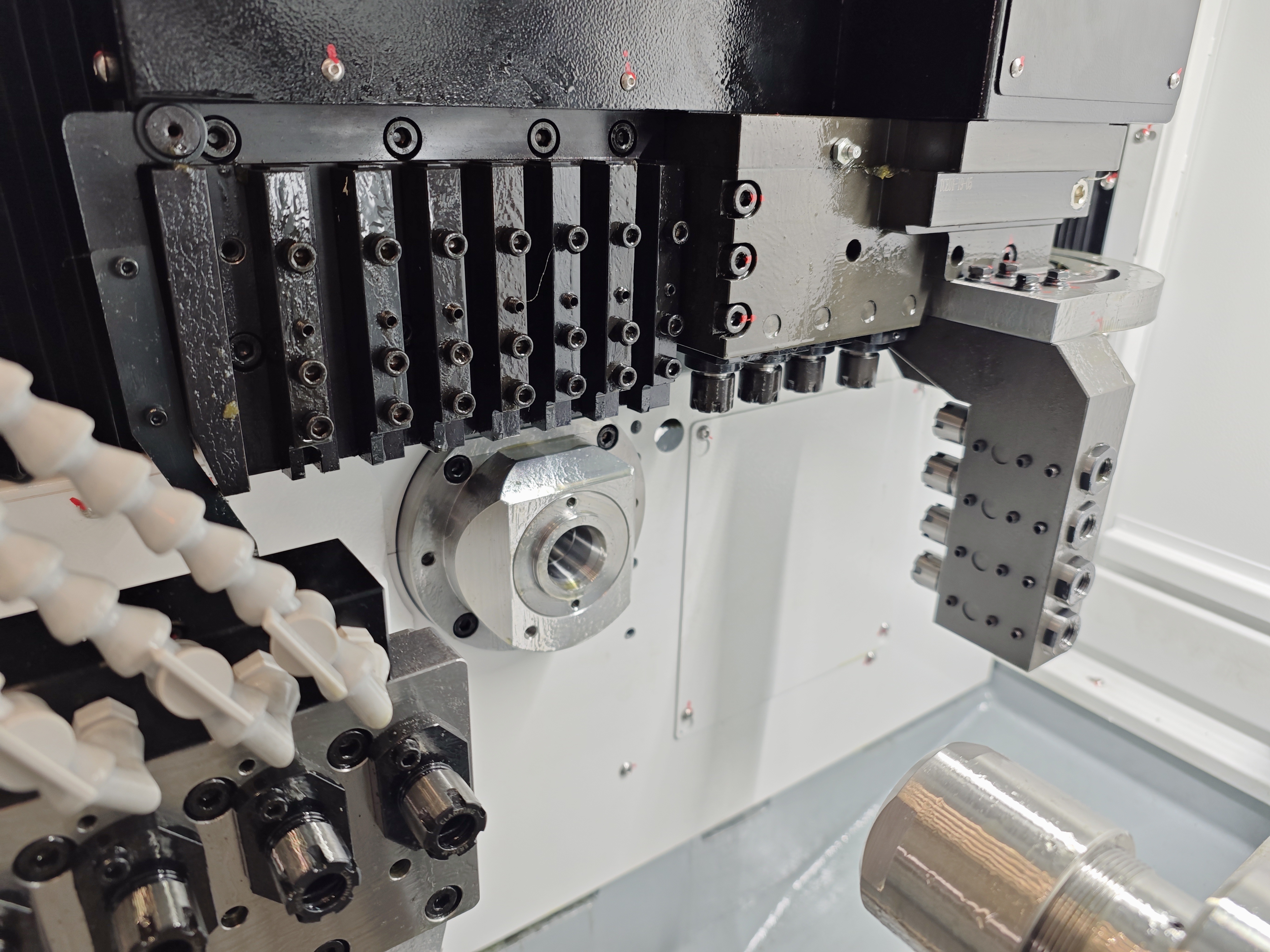
Understanding the mechanics of **5 Axis Swiss CNC** machines involves examining the key components and systems that work in harmony to deliver precision machining.
Components of 5 Axis Swiss CNC Machines
1. **Spindle:** The spindle is the heart of the machine, responsible for rotating the cutting tool at high speeds. High-precision spindles are crucial for achieving the desired surface finish.
2. **Linear Guides:** These guides ensure smooth and accurate movement of the machine's axes, allowing for precise machining operations.
3. **Control System:** The CNC control system interprets design files and converts them into actionable instructions for the machine, ensuring that the cutting tool follows the desired path.
4. **Work Holding Devices:** Specialized fixtures and clamps secure the workpiece in place during machining, preventing any movement that could affect accuracy.
5. **Coolant System:** Effective cooling mechanisms prevent overheating during machining, which is essential for maintaining tool life and ensuring a good surface finish.
How Motion is Controlled
The motion of 5 Axis Swiss CNC machines is controlled through sophisticated software that utilizes **G-code**, the standard language for CNC machining. Operators can input complex geometries and machining parameters, allowing the machine to execute intricate cuts with precision. Advanced motion control algorithms optimize the path of the cutting tool, ensuring smooth transitions between axes.
Applications of 5 Axis Swiss CNC Technology
The versatility of **5 Axis Swiss CNC** makes it suitable for a wide array of applications across various industries:
Aerospace Industry
In aerospace manufacturing, components often require intricate designs and tight tolerances. 5 Axis Swiss CNC technology enables the production of complex parts such as turbine blades and structural components with exceptional precision.
Medical Devices
The medical device industry benefits from the precision offered by 5 Axis Swiss CNC machines, allowing for the production of implants, surgical instruments, and other critical components that require high accuracy.
Automotive Manufacturing
Automotive manufacturers use this technology for producing intricate engine components, transmission parts, and custom tooling, enhancing performance and reliability.
Electronics Manufacturing
In electronics, miniaturization is key. 5 Axis Swiss CNC enables the production of small, intricate parts required for devices such as smartphones, tablets, and medical equipment.
Choosing the Right 5 Axis Swiss CNC Machine
Selecting the appropriate **5 Axis Swiss CNC** machine involves several considerations to ensure it meets the specific needs of your manufacturing process:
Evaluate Your Production Needs
Consider the types of parts you will be manufacturing. Analyze the complexity, material requirements, and expected production volume to determine the specifications your machine must meet.
Assess Machine Specifications
Look for machines with high spindle speeds, precision linear guides, and robust control systems. Ensure the machine can handle the materials you will be working with, from metals to polymers.
Understand Software Capabilities
The software that accompanies 5 Axis machines plays a critical role in machining efficiency. Ensure that the machine you select has user-friendly programming capabilities and can interface with your existing CAD/CAM systems.
Consider Maintenance and Support
Choose a manufacturer that offers excellent customer support and maintenance services. Regular maintenance is crucial for ensuring the longevity and performance of your machine.
Maintenance Tips for 5 Axis Swiss CNC Machines
Maintaining your **5 Axis Swiss CNC** machine is essential for ensuring optimal performance and extending its lifespan. Here are some key maintenance tips:
Regular Cleaning
Keep the machine clean by removing metal shavings and coolant residue regularly. This practice prevents contamination and ensures smooth operation.
Inspect Components Frequently
Regularly inspect key components such as the spindle, linear guides, and control systems for wear and tear. Early detection of issues can prevent costly repairs.
Check Calibration
Ensure that the machine is properly calibrated to maintain precision. Regular calibration checks can help identify any deviations from expected tolerances.
Follow Lubrication Guidelines
Adhere to lubrication schedules as recommended by the manufacturer. Proper lubrication reduces friction and wear, contributing to the machine's longevity.
The Future of 5 Axis Swiss CNC Technology
As technology continues to advance, the future of **5 Axis Swiss CNC** looks promising. Innovations such as artificial intelligence and machine learning are set to enhance machining capabilities further, allowing for even greater precision and efficiency. Additionally, the integration of IoT (Internet of Things) technology will enable real-time monitoring and predictive maintenance, ensuring machines operate at peak performance.
FAQs About 5 Axis Swiss CNC
1. What are the main advantages of using a 5 Axis Swiss CNC machine over traditional machining methods?
5 Axis Swiss CNC machines offer enhanced precision, reduced setup times, improved surface finishes, and greater design flexibility compared to traditional machining methods.
2. What types of materials can be machined using 5 Axis Swiss CNC technology?
5 Axis Swiss CNC machines can machine a wide range of materials, including metals (such as aluminum, stainless steel, and titanium), plastics, and composites.
3. How does 5 Axis machining improve production efficiency?
By allowing complex geometries to be machined in a single setup, 5 Axis machining reduces production time, minimizes the need for secondary operations, and enhances overall efficiency.
4. What industries benefit the most from 5 Axis Swiss CNC technology?
Industries such as aerospace, medical devices, automotive manufacturing, and electronics benefit significantly from 5 Axis Swiss CNC technology due to the precision and complexity of parts required.
5. How do I maintain my 5 Axis Swiss CNC machine for optimal performance?
Regular cleaning, frequent inspections, calibration checks, and adherence to lubrication guidelines are essential practices for maintaining your 5 Axis Swiss CNC machine.
Conclusion
In conclusion, **5 Axis Swiss CNC technology** represents a significant advancement in manufacturing, offering unparalleled precision, efficiency, and versatility. By understanding the mechanics behind this innovative technology and its applications, manufacturers can harness its full potential to achieve superior results in their production processes. As we look to the future, it is clear that 5 Axis Swiss CNC will continue to play a pivotal role in shaping the manufacturing landscape, enabling the creation of complex, high-quality components across various industries.


Address: Building 2, Fangda, Huangfengling Industrial Zone, Luozu community, Shiyan Street, Baoan District, Shenzhen, China
Mob: +86 18926575817
Tel: +86 0755 29680609
Fax: +86 0755 29680609
Email: info@todaycnc.com



Copyright & ©2024 TODAY STANDARD PRECISION MACHINE TOOL CO .,LTD
Privacy Policy
Business license