



Maximizing Productivity: Expert Tips for Using Swiss Automatic Lathes
2026-10-07


Maximizing Productivity: Expert Tips for Using Swiss Automatic Lathes
Table of Contents
- Introduction to Swiss Automatic Lathes
- Understanding the Mechanics of Swiss Lathes
- Advantages of Using Swiss Automatic Lathes
- Preparation for Maximum Efficiency
- Optimizing Machine Settings for Enhanced Productivity
- Tool Selection and Maintenance Best Practices
- The Importance of Training and Skilled Operators
- Monitoring Performance and Utilizing Analytics
- The Future of Swiss Lathes in Manufacturing
- Conclusion
- Frequently Asked Questions
Introduction to Swiss Automatic Lathes
Swiss automatic lathes are renowned for their precision and capability to produce intricate components with outstanding tolerances. Originating in Switzerland, these machines revolutionized the manufacturing landscape by delivering speed, accuracy, and efficiency. As industries evolve, maximizing the productivity of Swiss automatic lathes becomes imperative for manufacturers aiming to maintain competitiveness and meet rising demand.
Understanding the Mechanics of Swiss Lathes
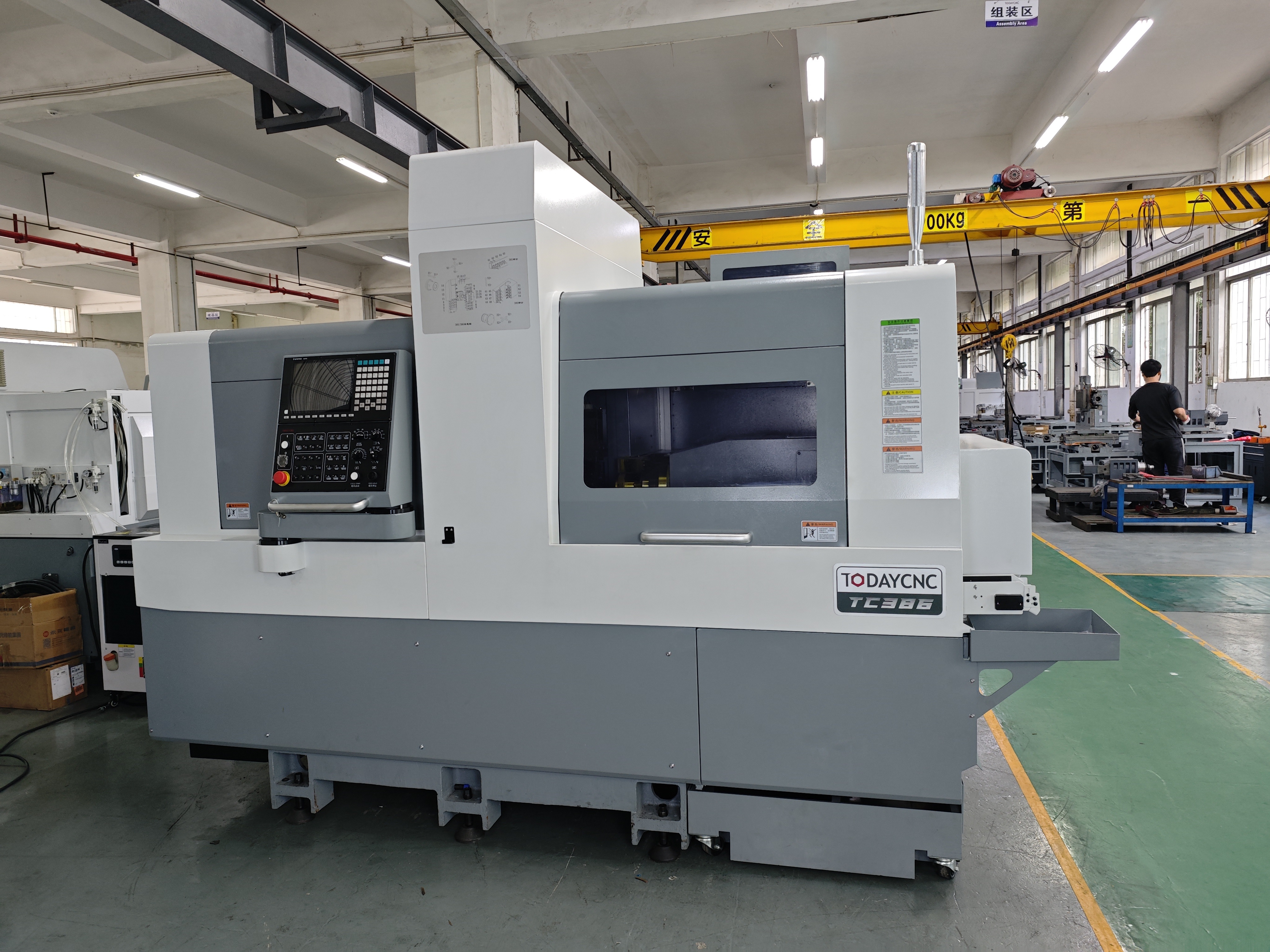
Swiss lathes operate on a unique principle, enabling them to create parts with complex geometries. The key feature that distinguishes them from traditional lathes is the sliding headstock, which allows the workpiece to advance continuously through the tooling. This design is particularly beneficial for machining smaller parts, as it minimizes the need for repositioning and enhances cycle time.
The mechanical structure of Swiss lathes typically includes multiple spindles, allowing for simultaneous operations. This multi-spindle capability can significantly reduce production time and increase output. Understanding these mechanics is vital for manufacturers aiming to optimize their processes and achieve higher efficiency levels.
Advantages of Using Swiss Automatic Lathes
The advantages of Swiss automatic lathes are manifold, contributing to their widespread adoption in various manufacturing sectors. Here are some of the key benefits:
1. Superior Precision
Swiss lathes can achieve incredibly tight tolerances, making them ideal for applications in industries such as medical device manufacturing, aerospace, and automotive.
2. Enhanced Efficiency
With the ability to perform multiple operations in a single setup, Swiss lathes reduce the need for secondary processing, leading to shorter lead times and lower production costs.
3. Versatility in Material Processing
These machines can handle a wide range of materials, from metals to plastics, enabling manufacturers to diversify their product offerings without investing in additional machinery.
4. Increased Automation
Modern Swiss lathes are equipped with advanced automation features, including CNC capabilities, which streamline operations and minimize human intervention, thus reducing the likelihood of errors.
Preparation for Maximum Efficiency
To maximize productivity with Swiss automatic lathes, meticulous preparation is essential. This involves several critical steps:
1. Process Planning and Workflow Optimization
Before beginning production, a thorough process plan should be developed. This plan must outline each operation's sequence, tool selection, and expected cycle times. An optimized workflow reduces idle time and enhances machine utilization.
2. Proper Setup of Tools and Fixtures
Ensuring that tools and fixtures are set up correctly is crucial for maintaining accuracy and efficiency. Regular checks and calibrations should be made to prevent any discrepancies during machining.
3. Regular Maintenance Scheduling
Establish a maintenance schedule to keep the machines in excellent working condition. Regular maintenance includes cleaning, lubrication, and inspections to identify wear and tear early on.
Optimizing Machine Settings for Enhanced Productivity
Achieving maximum productivity from Swiss automatic lathes also hinges on optimizing machine settings. Here are essential areas to focus on:
1. Cutting Speeds and Feeds
Understanding the optimal cutting speed and feed rate for various materials is vital. Adjusting these settings based on the material type and thickness can significantly impact machining efficiency and surface finish quality.
2. Tool Life Management
Implementing a tool life management strategy helps in monitoring tool wear and replacement schedules, reducing downtime associated with tool failures.
3. Cooling and Lubrication Systems
Efficient cooling and lubrication systems are critical for maintaining tool life and workpiece quality. Assess whether the current systems meet operational demands and consider upgrades if necessary.
Tool Selection and Maintenance Best Practices
Choosing the right tools and maintaining them properly can play a crucial role in the productivity of Swiss automatic lathes.
1. Selecting the Right Tools
Select tools that are designed for the specific materials and operations being performed. High-speed steel (HSS), carbide, and ceramic tools each have their benefits and applications.
2. Regular Tool Inspections
Frequent inspections of tools can prevent unexpected tool failures and maintain consistent part quality. Look for signs of wear and damage, and replace or sharpen tools as needed.
3. Tool Storage and Handling
Proper storage and handling of tools can prolong their life. Ensure tools are stored in a non-corrosive environment and handled with care to prevent accidental damage.
The Importance of Training and Skilled Operators
The proficiency of the operators directly influences the productivity of Swiss automatic lathes. Investing in training programs can yield significant returns.
1. Continuous Education and Skill Development
Provide continuous training opportunities for operators to enhance their skills and knowledge of machine capabilities, settings, and troubleshooting.
2. Promoting Knowledge Sharing
Encourage experienced operators to share their knowledge with newer team members. This mentorship can foster a culture of learning and improvement within the workforce.
3. Safety Training
Safety is paramount in any manufacturing environment. Regular safety training sessions can help prevent accidents and promote a safe working atmosphere.
Monitoring Performance and Utilizing Analytics
To further maximize productivity, manufacturers should incorporate performance monitoring and analytics into their operations.
1. Implementing Real-Time Monitoring Systems
Invest in systems that provide real-time data on machine performance and production metrics. This information can help identify inefficiencies and areas for improvement.
2. Data Analysis for Continuous Improvement
Utilize data analytics to review production patterns, identify trends, and make informed decisions for process optimization. Continuous improvement should be an integral part of the operational strategy.
The Future of Swiss Lathes in Manufacturing
As technology advances, the future of Swiss automatic lathes looks promising. Innovations such as artificial intelligence (AI), machine learning, and enhanced automation are set to revolutionize machining processes further.
1. Integration of Smart Technology
The integration of smart technology into Swiss lathes will allow for greater automation, predictive maintenance, and real-time monitoring, facilitating even higher productivity levels.
2. Sustainability Considerations
Manufacturers are increasingly focusing on sustainability. Advanced Swiss lathes will likely incorporate energy-efficient systems and minimal waste production, aligning with global sustainability goals.
Conclusion
Maximizing productivity with Swiss automatic lathes requires a well-rounded approach, incorporating meticulous preparation, optimal settings, proper tool management, and skilled operators. By embracing modern technologies and continuous improvement strategies, manufacturers can unlock the full potential of their Swiss lathes, ensuring competitiveness in an ever-evolving market.
Frequently Asked Questions
1. What are Swiss automatic lathes primarily used for?
Swiss automatic lathes are used to manufacture precise and complex parts, particularly in industries like medical, automotive, and aerospace.
2. How can I improve the efficiency of my Swiss lathe?
Improving efficiency involves optimizing machine settings, selecting appropriate tools, performing regular maintenance, and training operators.
3. What materials can be machined on Swiss lathes?
Swiss lathes can machine a wide range of materials, including metals, plastics, and composites.
4. What is the importance of tool maintenance in Swiss lathe operations?
Proper tool maintenance ensures consistent quality, prolongs tool life, and minimizes unexpected downtime, enhancing overall productivity.
5. Are there specific training programs for operating Swiss lathes?
Yes, many manufacturers and technical schools offer training programs focused on Swiss lathe operations, covering both technical skills and safety practices.


Address: Building 2, Fangda, Huangfengling Industrial Zone, Luozu community, Shiyan Street, Baoan District, Shenzhen, China
Mob: +86 18926575817
Tel: +86 0755 29680609
Fax: +86 0755 29680609
Email: info@todaycnc.com



Copyright & ©2024 TODAY STANDARD PRECISION MACHINE TOOL CO .,LTD
Privacy Policy
Business license