



CNC Swiss Turning Machines: A Game Changer for Small Businesses
2026-09-23


CNC Swiss Turning Machines: A Game Changer for Small Businesses
Table of Contents
- 1. Introduction to CNC Swiss Turning Machines
- 2. What is CNC Swiss Turning?
- 3. Advantages of CNC Swiss Turning Machines for Small Businesses
- 4. Cost Efficiency and Return on Investment
- 5. Applications of CNC Swiss Turning Machines in Various Industries
- 6. Choosing the Right CNC Swiss Turning Machine for Your Business
- 7. Maintenance and Support for CNC Swiss Turning Machines
- 8. The Future of CNC Swiss Technology in Small Businesses
- 9. FAQs About CNC Swiss Turning Machines
- 10. Conclusion
1. Introduction to CNC Swiss Turning Machines
The landscape of manufacturing is evolving, with technology playing a pivotal role in shaping operations. Among the innovations that have emerged, **CNC Swiss turning machines** stand out as a transformative tool for small businesses. These machines offer precision, speed, and versatility, making them ideal for producing complex parts with tight tolerances. As small businesses strive to compete in a global market, adopting CNC Swiss technology can provide a significant advantage.
2. What is CNC Swiss Turning?
**CNC Swiss turning** is a type of machining process that utilizes a computer numerical control (CNC) system to operate a lathe. This technology allows for the automatic and precise movement of tools and workpieces. The term “Swiss” refers to the origins of this machining technique, which began in Switzerland to manufacture small, intricate parts.
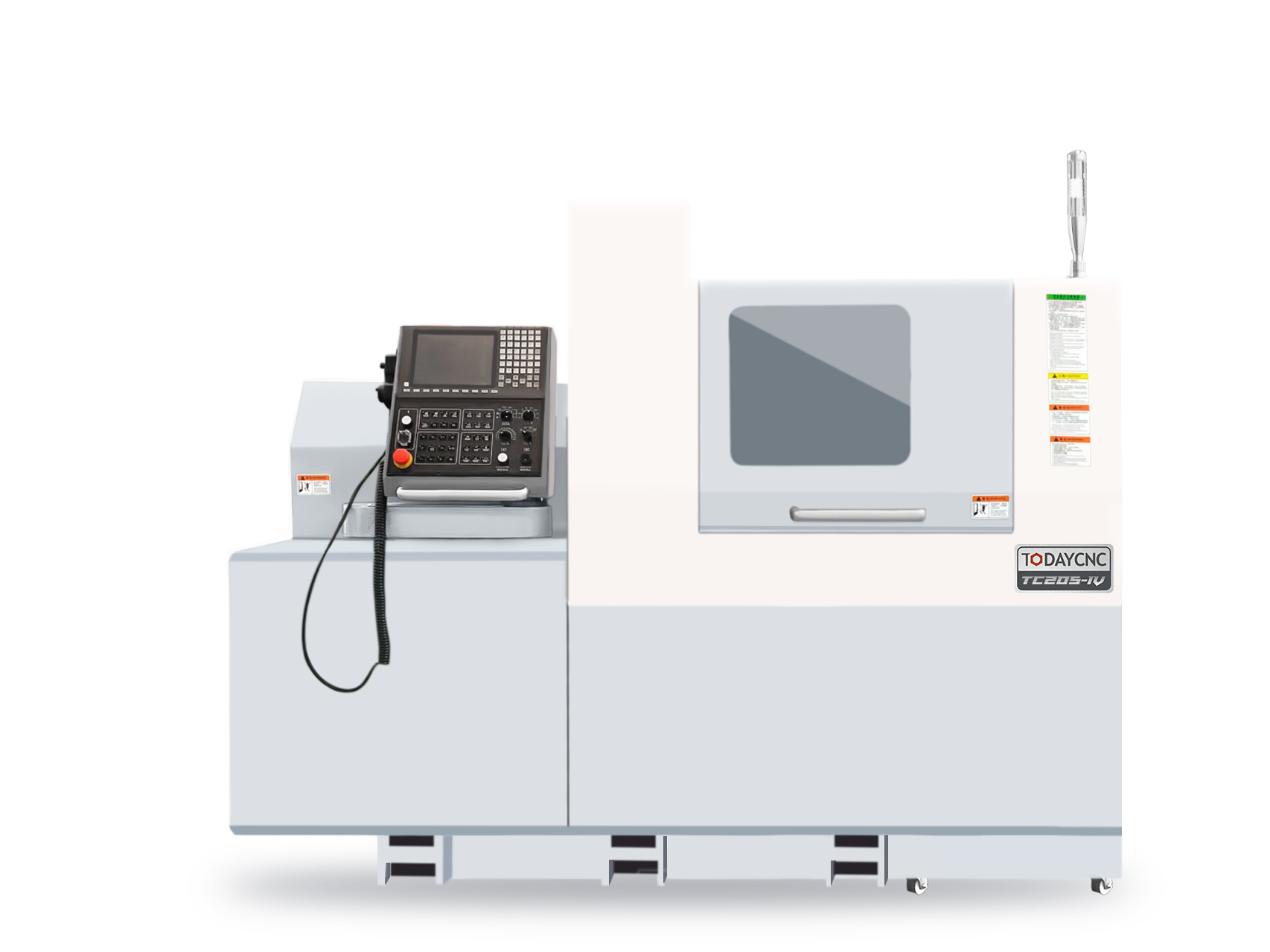
Swiss turning machines feature a unique design where the workpiece is held in a collet and moves back and forth while tools are fed in from the side. This allows for high-speed production of small, cylindrical parts with exceptional accuracy. The CNC aspect facilitates complex programming, enabling the machine to perform multiple operations without manual intervention.
3. Advantages of CNC Swiss Turning Machines for Small Businesses
The adoption of CNC Swiss turning machines offers numerous benefits for small businesses:
3.1 Enhanced Precision and Quality
CNC Swiss turning machines can produce parts with very tight tolerances, often within ±0.001 inches. This level of precision ensures that products meet strict quality standards, reducing the need for rework or scrap.
3.2 Increased Production Speed
The automated nature of CNC Swiss turning machines leads to significantly faster production times. Small businesses can produce parts in large quantities without compromising quality, allowing them to meet customer demand more effectively.
3.3 Versatility in Manufacturing
CNC Swiss turning machines can work with a wide range of materials, including metals, plastics, and composites. This versatility allows small businesses to diversify their offerings and adapt to changing market needs.
3.4 Reduced Labor Costs
By automating many machining processes, small businesses can reduce labor costs associated with manual machining. Operators can oversee multiple machines, enhancing productivity without the need for a large workforce.
3.5 Compact Footprint
CNC Swiss turning machines are typically more compact than traditional machining equipment. This space-saving design allows small businesses to optimize their production floor layout and reduce overhead costs.
4. Cost Efficiency and Return on Investment
Investing in a CNC Swiss turning machine represents a significant financial commitment, but the potential return on investment (ROI) can be substantial.
4.1 Initial Investment vs. Long-Term Gains
While the upfront cost of acquiring a CNC Swiss turning machine may be higher than traditional lathes, the long-term benefits often outweigh this initial expenditure. Enhanced production speed and reduced waste contribute to lower overall production costs.
4.2 Operational Cost Savings
The efficiency of CNC Swiss turning not only cuts production time but also minimizes material waste. Machines can be programmed to optimize cutting paths, ensuring that materials are used effectively.
4.3 Increased Profit Margins
With the ability to produce high-quality parts at a faster rate, small businesses can increase their profit margins. This improved efficiency allows them to take on more projects and expand their client base.
5. Applications of CNC Swiss Turning Machines in Various Industries
CNC Swiss turning machines are used across a plethora of industries due to their versatility in producing complex parts.
5.1 Aerospace Industry
In aerospace manufacturing, precision is paramount. CNC Swiss turning machines are widely used to produce components such as valves, fittings, and structural parts that require stringent quality control.
5.2 Medical Device Manufacturing
The medical industry demands high precision for parts like surgical instruments and implants. CNC Swiss turning machines enable manufacturers to create complex geometries while adhering to strict regulations.
5.3 Automotive Parts Production
The automotive sector relies on CNC Swiss turning for components such as gears, shafts, and connectors. The ability to produce high volumes of parts rapidly is crucial for the fast-paced automotive market.
5.4 Electronics Manufacturing
In electronics, small and intricate parts like connectors and housings are produced using CNC Swiss turning machines. The technology allows for high precision and repeatability in production.
6. Choosing the Right CNC Swiss Turning Machine for Your Business
Selecting the right CNC Swiss turning machine involves several considerations:
6.1 Assessing Production Needs
Evaluate the types of parts your business will produce. Consider the size, complexity, and material of the components to choose a machine that meets these specifications.
6.2 Budget Considerations
Establish a budget that includes not just the purchase price of the machine but also ongoing operational costs, maintenance, and training for operators.
6.3 Vendor Reputation and Support
Choose a reputable vendor known for high-quality machines and excellent customer support. A reliable vendor can provide training and assist with any technical issues that arise.
7. Maintenance and Support for CNC Swiss Turning Machines
Regular maintenance is crucial for the longevity and performance of CNC Swiss turning machines.
7.1 Routine Maintenance Practices
Implement a routine maintenance schedule that includes cleaning, lubrication, and inspection of critical components. This proactive approach can prevent costly downtime.
7.2 Training for Operators
Invest in training programs for your operators to ensure they understand how to operate the machines efficiently and safely. Well-trained staff can identify potential issues early, reducing the risk of machine failure.
8. The Future of CNC Swiss Technology in Small Businesses
As technology continues to evolve, the capabilities of CNC Swiss turning machines are expected to expand.
8.1 Integration with IoT and Industry 4.0
The integration of the Internet of Things (IoT) into CNC machines can lead to enhanced monitoring and data analytics, allowing businesses to optimize production processes further.
8.2 Advancements in Software and Programming
New software developments will likely enhance the programming capabilities of CNC Swiss machines, enabling even greater precision and efficiency in manufacturing.
9. FAQs About CNC Swiss Turning Machines
1. What materials can be machined using CNC Swiss turning machines?
CNC Swiss turning machines can work with various materials, including metals (steel, aluminum, brass), plastics, and composite materials.
2. How does CNC Swiss turning differ from traditional turning?
CNC Swiss turning allows for more complex geometries and higher precision due to the automated movement of the workpiece and tooling, compared to traditional turning which may require manual adjustments.
3. What types of parts can be produced using CNC Swiss turning machines?
CNC Swiss turning machines excel at producing small, intricate parts such as screws, bolts, and fittings that require high precision.
4. What is the typical lead time for CNC Swiss turned parts?
Lead times can vary based on complexity and volume, but CNC Swiss turning generally allows for quicker production compared to traditional machining methods.
5. Are CNC Swiss turning machines difficult to operate?
With proper training, CNC Swiss turning machines are relatively easy to operate. Many modern machines come with user-friendly interfaces that simplify the programming process.
10. Conclusion
CNC Swiss turning machines represent a significant shift in the manufacturing landscape, particularly for small businesses looking to enhance their production capabilities. The advantages of precision, efficiency, and cost-effectiveness make these machines an invaluable asset. By embracing this technology, small businesses can not only meet the demands of today's market but also position themselves for future growth. Investing in CNC Swiss turning machines is not merely a purchase; it's a strategic move toward transforming operations and achieving long-term success in a competitive industry.
Related Blog

Address: Building 2, Fangda, Huangfengling Industrial Zone, Luozu community, Shiyan Street, Baoan District, Shenzhen, China
Mob: +86 18926575817
Tel: +86 0755 29680609
Fax: +86 0755 29680609
Email: info@todaycnc.com



Copyright & ©2024 TODAY STANDARD PRECISION MACHINE TOOL CO .,LTD
Privacy Policy
Business license