



Why Swiss Automatic Lathes Are Essential for High-Volume Production
2026-09-05


Introduction to Swiss Automatic Lathes
Swiss automatic lathes have revolutionized the landscape of high-volume production, particularly in industries demanding precision and efficiency. These machines are designed to handle intricate machining tasks with minimal operator intervention, making them a vital asset in today's competitive manufacturing environment. In this article, we will explore the essential features, benefits, and applications of Swiss automatic lathes, and why they are indispensable for achieving high-volume production goals.
Understanding Swiss Automatic Lathes
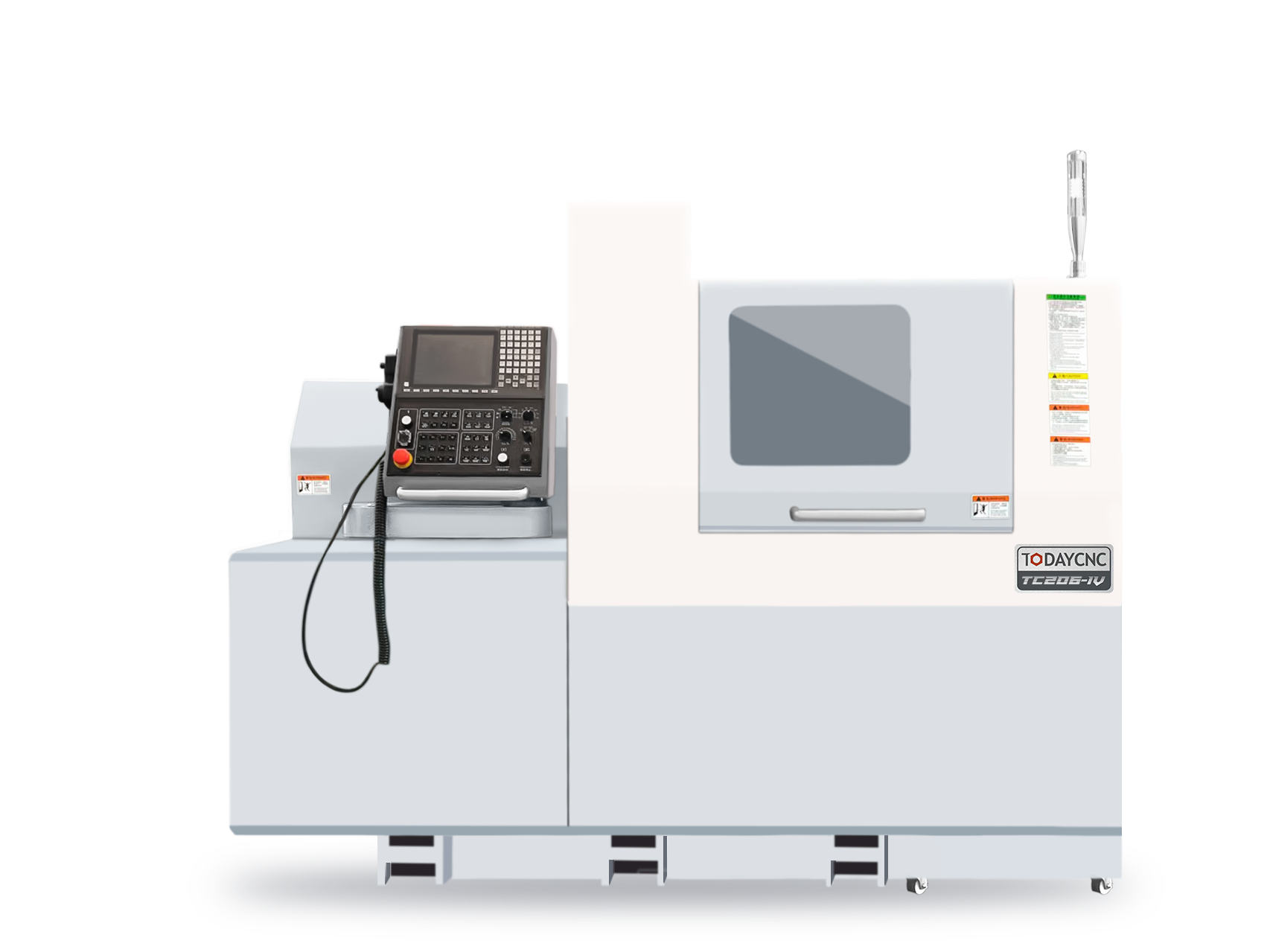
Swiss automatic lathes, often referred to as Swiss-style lathes, are specialized machines that produce precision parts by employing a unique sliding-headstock design. This design enables the workpiece to move toward the tool, facilitating the creation of complex geometries with remarkable accuracy. Unlike conventional lathes, Swiss lathes are optimized for high-speed, high-precision manufacturing, making them ideal for producing small, intricate components.
The Evolution of Swiss Lathes
The origins of Swiss automatic lathes date back to the 19th century when they were initially developed to manufacture watch components. Their ability to produce small, precise parts quickly made them the go-to machines for watchmakers. Over the years, the technology has evolved, incorporating advanced features such as CNC (Computer Numerical Control) capabilities, which enhance their functionality and adaptability in various industries.
Key Components of Swiss Automatic Lathes
To grasp the significance of Swiss automatic lathes, it is essential to understand their key components:
1. **Sliding Headstock**: This feature allows the workpiece to slide towards the tool, minimizing the cutting distance and enabling high-speed machining.
2. **Multiple Tool Stations**: Swiss lathes often come equipped with numerous tool stations, allowing for simultaneous operations and reducing cycle times.
3. **CNC Integration**: Modern Swiss lathes are equipped with CNC technology, allowing for automated programming and increased precision in part production.
4. **Collet Chuck**: This component securely holds the workpiece, ensuring stability during machining and optimizing surface finish.
5. **Tailstock**: Used to support longer workpieces, enhancing stability and accuracy during the machining process.
Why Swiss Automatic Lathes Are Indispensable for High-Volume Production
Swiss automatic lathes offer several advantages that make them essential for high-volume production. These advantages include:
1. Precision and Accuracy
In industries where tolerances are critical, the precision offered by Swiss automatic lathes is unmatched. These machines can achieve tolerances as tight as a few microns, ensuring that every part produced meets the stringent specifications required in sectors such as aerospace, medical, and automotive manufacturing.
2. High Efficiency and Speed
The design of Swiss lathes allows for rapid machining cycles. With the ability to perform multiple operations simultaneously, these machines drastically reduce production times. This high efficiency translates to increased output, making them ideal for manufacturers looking to meet demanding production schedules.
3. Versatility in Production
Swiss automatic lathes are incredibly versatile and can handle a wide range of materials, including metals, plastics, and composites. This adaptability makes them suitable for various applications, from producing small, intricate components to larger production runs.
4. Reduced Labor Costs
With the integration of CNC technology, Swiss lathes can operate with minimal human intervention. This automation not only reduces labor costs but also minimizes the potential for human error, further enhancing the quality of the finished product.
5. Enhanced Surface Finish
The precision machining offered by Swiss automatic lathes results in superior surface finishes. This is particularly important in industries where the aesthetic quality of a part is as critical as its functional properties.
Applications of Swiss Automatic Lathes in Various Industries
Swiss automatic lathes are employed across a multitude of industries, demonstrating their versatility and reliability.
1. Aerospace Industry
In the aerospace sector, parts must meet rigorous safety and performance standards. Swiss lathes are used to manufacture components such as fuel nozzles, landing gear parts, and turbine blades, where precision and reliability are paramount.
2. Medical Device Manufacturing
The medical device industry often requires intricate components that must be manufactured to exact specifications. Swiss automatic lathes produce parts for surgical instruments, implants, and diagnostic equipment, ensuring that they meet stringent regulatory requirements.
3. Automotive Sector
In automotive manufacturing, Swiss lathes are utilized to produce various components, including transmission parts, valves, and fittings. The high-speed production capabilities and precision offered by these machines contribute to the overall efficiency of automotive manufacturing processes.
4. Electronics Manufacturing
The electronics industry relies on Swiss lathes to produce small, precise parts used in devices such as smartphones, computers, and medical devices. The ability to maintain tight tolerances ensures that these components function correctly within the larger assembly.
5. General Engineering and Toolmaking
Swiss automatic lathes are widely used in general engineering and toolmaking for producing tooling components and fixtures. Their versatility allows manufacturers to tackle a diverse range of projects with varying complexity.
Choosing the Right Swiss Automatic Lathe for Your Production Needs
Selecting the appropriate Swiss automatic lathe for your production requirements is crucial to achieving optimal results. Here are some factors to consider:
1. Production Volume
Determine the expected production volume, as this will influence the type and size of lathe required. High-volume production may necessitate more advanced models with additional tool stations.
2. Material Type
Consider the materials you will be machining. Different Swiss lathes are better suited for specific materials, so choose a machine that can handle your desired material effectively.
3. Complexity of Parts
Evaluate the complexity of the components you intend to produce. More intricate designs may require advanced features such as multi-axis capabilities.
4. Budget Constraints
Establish a clear budget for your investment in a Swiss automatic lathe. While high-quality machines can be costly, they often provide a quicker return on investment through increased efficiency and reduced labor costs.
5. Manufacturer Reputation
Research various manufacturers and their offerings. Selecting a reputable manufacturer with a strong track record can provide peace of mind regarding the reliability and performance of the equipment.
The Future of Swiss Automatic Lathes in Manufacturing
As technology continues to advance, Swiss automatic lathes are expected to evolve further. Trends such as automation, artificial intelligence, and Industry 4.0 will likely play a significant role in shaping the future of these machines. The integration of smart technology will enhance their capabilities, allowing for even greater efficiencies and production flexibility.
FAQs About Swiss Automatic Lathes
1. What are the advantages of using Swiss automatic lathes over traditional lathes?
Swiss automatic lathes offer superior precision, speed, and efficiency, making them ideal for high-volume production. Their ability to perform multiple operations simultaneously reduces cycle times and labor costs.
2. Can Swiss automatic lathes handle various materials?
Yes, Swiss automatic lathes are versatile machines that can effectively work with metals, plastics, and composites, making them suitable for a wide range of applications.
3. How do I determine the right Swiss automatic lathe for my needs?
Consider factors such as production volume, material type, complexity of parts, budget constraints, and the reputation of the manufacturer when selecting a Swiss automatic lathe.
4. What industries commonly use Swiss automatic lathes?
Swiss automatic lathes are utilized in various industries, including aerospace, medical device manufacturing, automotive, electronics, and general engineering.
5. What is the future outlook for Swiss automatic lathes in manufacturing?
The future of Swiss automatic lathes looks promising, with advancements in automation, AI, and Industry 4.0 technologies set to enhance their capabilities and efficiency.
Conclusion
Swiss automatic lathes are essential for high-volume production, offering unmatched precision, efficiency, and versatility. As industries continue to demand higher quality and faster turnaround times, the role of Swiss lathes will only become more critical. By investing in these advanced machines, manufacturers can ensure they remain competitive in an ever-evolving market. Understanding the key components, benefits, and applications of Swiss automatic lathes equips businesses to make informed decisions that drive their production capabilities and success.


Address: Building 2, Fangda, Huangfengling Industrial Zone, Luozu community, Shiyan Street, Baoan District, Shenzhen, China
Mob: +86 18926575817
Tel: +86 0755 29680609
Fax: +86 0755 29680609
Email: info@todaycnc.com



Copyright & ©2024 TODAY STANDARD PRECISION MACHINE TOOL CO .,LTD
Privacy Policy
Business license