



Understanding Swiss CNC Machines: Precision Engineering at Its Finest
2026-08-15


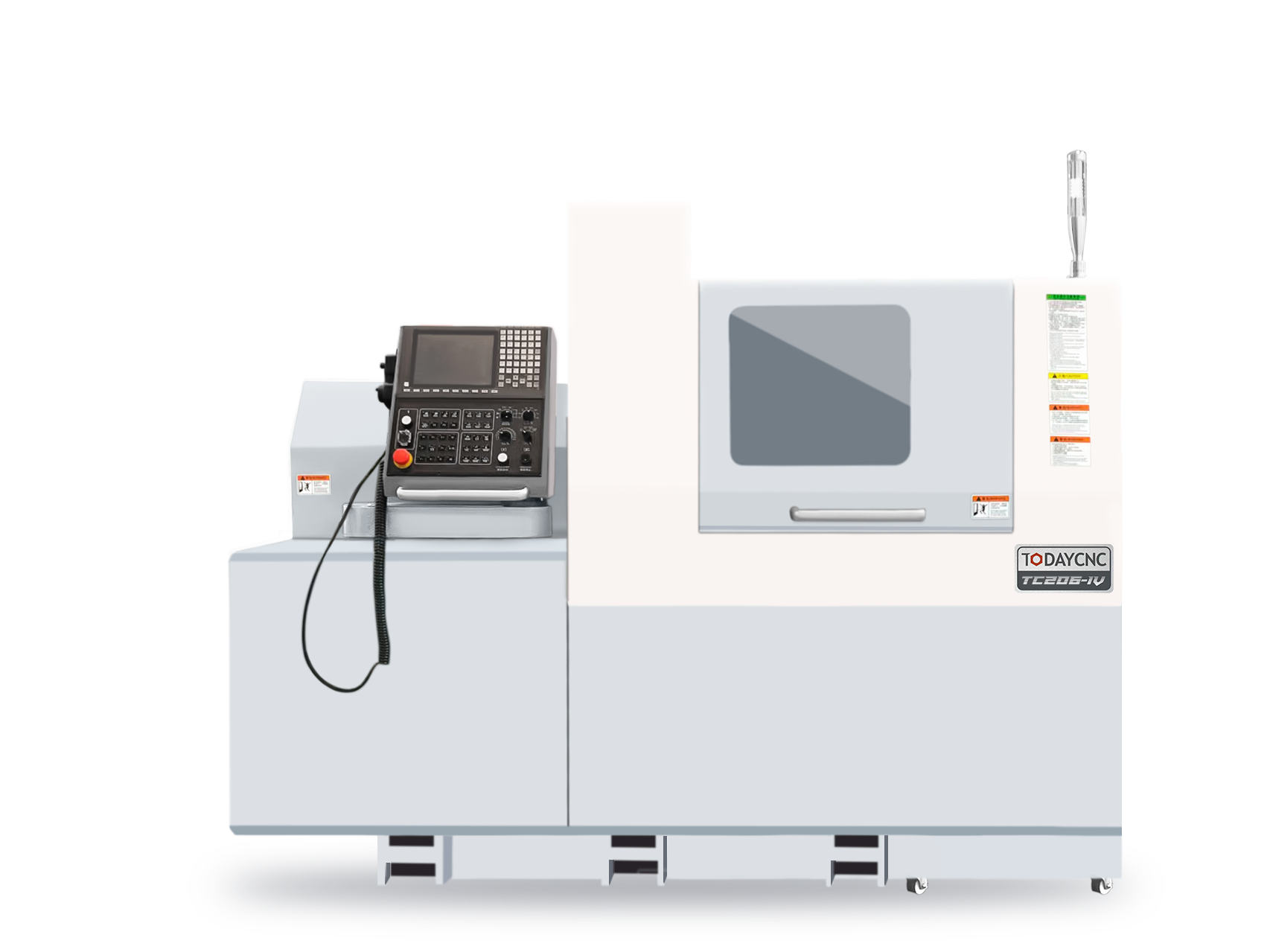
Swiss CNC machines, often referred to simply as Swiss machines, represent a specialized category of computer numerical control (CNC) machinery that excels in the realm of precision machining. Originating from Switzerland, these machines are renowned for their ability to produce small, complex parts with exceptional accuracy and efficiency. Their unique design and functionality have made them indispensable in manufacturing industries that require high precision, such as aerospace, automotive, and medical device production.
One of the defining features of Swiss CNC machines is their sliding headstock design. This allows the workpiece to move along the Z-axis while the tooling remains stationary, facilitating the creation of intricate parts with minimal setup time. This design also enables the use of longer workpieces, which is particularly beneficial when producing longer and thinner components that are common in applications such as watchmaking and small electronic devices.
In addition to their design, Swiss CNC machines are equipped with advanced capabilities that enhance their performance. Many models come with multiple axes—typically ranging from 7 to 9 axes—that provide operators with the flexibility to execute complex machining operations. This multi-axis capability allows for simultaneous movements, enabling the machine to perform various tasks in a single operation, reducing production time and increasing efficiency.
Another significant advantage of Swiss CNC machines is their ability to use a variety of tooling options, including turning, milling, and drilling tools. This versatility allows manufacturers to optimize their processes and tailor them to specific production requirements. Additionally, the integration of advanced software and automation technologies further enhances the operational efficiency of these machines, enabling real-time monitoring and adjustments during the machining process.
The precision offered by Swiss CNC machines is a critical factor in industries where tolerances are tight, and quality is paramount. These machines can achieve tolerances as fine as 0.01 mm, making them ideal for intricate designs and high-quality components. This level of precision not only ensures the reliability of the end products but also helps manufacturers minimize waste and rework, contributing to overall cost savings in the production process.
Furthermore, the trend towards miniaturization in many industries has increased the demand for Swiss CNC machines. As products become smaller and more complex, the need for advanced machining solutions that can accommodate these changes has grown. Swiss machines are well-suited to meet this demand, making them a valuable asset in the pursuit of innovation and excellence in manufacturing.
In conclusion, Swiss CNC machines exemplify the pinnacle of precision engineering, offering manufacturers the ability to produce high-quality, complex components efficiently. Their unique design, advanced capabilities, and unmatched accuracy make them an essential tool in various industries, reinforcing their status as a vital component of modern manufacturing. As technology continues to evolve, these machines will undoubtedly play a crucial role in shaping the future of precision machining.
One of the defining features of Swiss CNC machines is their sliding headstock design. This allows the workpiece to move along the Z-axis while the tooling remains stationary, facilitating the creation of intricate parts with minimal setup time. This design also enables the use of longer workpieces, which is particularly beneficial when producing longer and thinner components that are common in applications such as watchmaking and small electronic devices.
In addition to their design, Swiss CNC machines are equipped with advanced capabilities that enhance their performance. Many models come with multiple axes—typically ranging from 7 to 9 axes—that provide operators with the flexibility to execute complex machining operations. This multi-axis capability allows for simultaneous movements, enabling the machine to perform various tasks in a single operation, reducing production time and increasing efficiency.
Another significant advantage of Swiss CNC machines is their ability to use a variety of tooling options, including turning, milling, and drilling tools. This versatility allows manufacturers to optimize their processes and tailor them to specific production requirements. Additionally, the integration of advanced software and automation technologies further enhances the operational efficiency of these machines, enabling real-time monitoring and adjustments during the machining process.
The precision offered by Swiss CNC machines is a critical factor in industries where tolerances are tight, and quality is paramount. These machines can achieve tolerances as fine as 0.01 mm, making them ideal for intricate designs and high-quality components. This level of precision not only ensures the reliability of the end products but also helps manufacturers minimize waste and rework, contributing to overall cost savings in the production process.
Furthermore, the trend towards miniaturization in many industries has increased the demand for Swiss CNC machines. As products become smaller and more complex, the need for advanced machining solutions that can accommodate these changes has grown. Swiss machines are well-suited to meet this demand, making them a valuable asset in the pursuit of innovation and excellence in manufacturing.
In conclusion, Swiss CNC machines exemplify the pinnacle of precision engineering, offering manufacturers the ability to produce high-quality, complex components efficiently. Their unique design, advanced capabilities, and unmatched accuracy make them an essential tool in various industries, reinforcing their status as a vital component of modern manufacturing. As technology continues to evolve, these machines will undoubtedly play a crucial role in shaping the future of precision machining.


Address: Building 2, Fangda, Huangfengling Industrial Zone, Luozu community, Shiyan Street, Baoan District, Shenzhen, China
Mob: +86 18926575817
Tel: +86 0755 29680609
Fax: +86 0755 29680609
Email: info@todaycnc.com



Copyright & ©2024 TODAY STANDARD PRECISION MACHINE TOOL CO .,LTD
Privacy Policy
Business license