



Unlocking Precision: The Benefits of Swiss CNC Lathes in Modern Manufacturing
2026-08-19


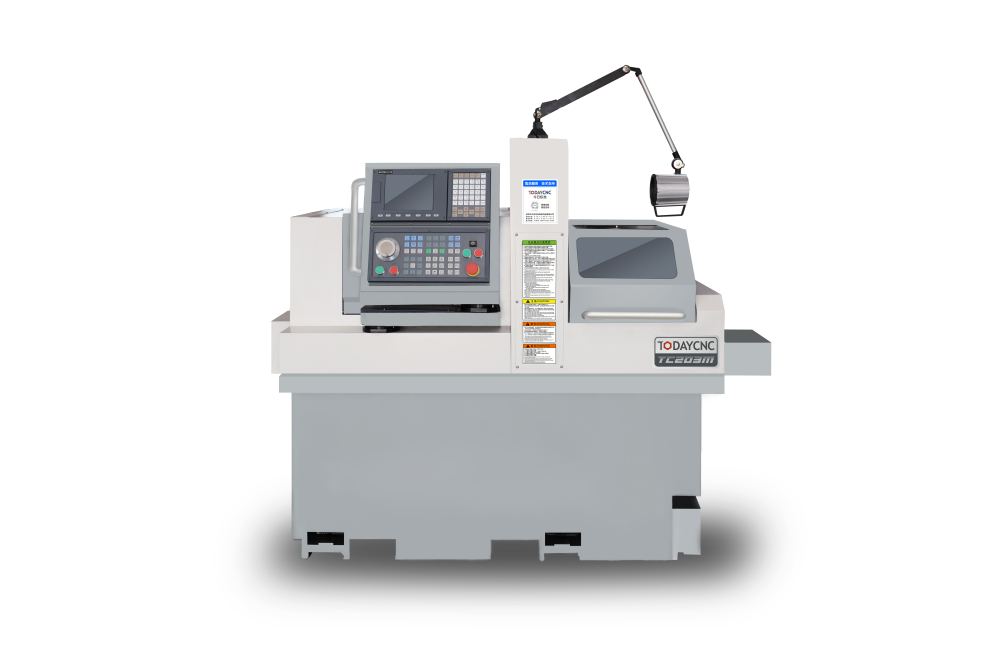
Swiss CNC lathes represent a cutting-edge solution in the realm of manufacturing and machining, particularly when it comes to producing highly precise and intricate components. Their unique design and operational capabilities offer significant benefits that set them apart from traditional lathes.
One of the most prominent features of Swiss CNC lathes is their ability to operate with remarkable precision. The design of these machines allows for minimal tool deflection, which is crucial when working with small and delicate parts that require tight tolerances. This level of precision not only enhances the quality of the final product but also reduces waste material and the need for extensive post-processing.
Another significant advantage of Swiss CNC lathes is their efficiency in production. These machines excel in high-volume manufacturing environments, where speed and consistency are paramount. By utilizing a sliding headstock design, Swiss lathes can continuously feed material and perform multiple machining operations simultaneously. This capability drastically reduces cycle times and boosts overall productivity, making them ideal for components that require numerous operations, such as drilling, milling, and turning.
Moreover, the versatility of Swiss CNC lathes is noteworthy. They can handle a wide range of materials, including metals, plastics, and composites, which makes them suitable for various industries, from aerospace to medical device manufacturing. The ability to switch between different materials and production processes quickly can provide manufacturers with a competitive edge.
In addition to efficiency and versatility, Swiss CNC lathes also offer advanced technology integration. Many modern versions come equipped with the latest CNC (Computer Numerical Control) systems, allowing for sophisticated programming capabilities and real-time monitoring. This technology not only enhances operational control but also facilitates quick adjustments, ensuring that production can meet changing demands without substantial downtime.
Furthermore, as manufacturing moves towards automation and smart factory setups, Swiss CNC lathes are often at the forefront of this transition. Their compatibility with Industry 4.0 initiatives means that they can be easily integrated into automated production lines, promoting data-driven decision-making and operational transparency.
In conclusion, Swiss CNC lathes are an invaluable asset in the machining industry, renowned for their precision, efficiency, versatility, and technological integration. As manufacturers continue to seek ways to enhance productivity and maintain quality, the adoption of Swiss CNC lathes will likely remain a vital strategy for success in the competitive landscape of modern manufacturing. Embracing this technology not only meets the current needs of the industry but also prepares businesses for future advancements.
One of the most prominent features of Swiss CNC lathes is their ability to operate with remarkable precision. The design of these machines allows for minimal tool deflection, which is crucial when working with small and delicate parts that require tight tolerances. This level of precision not only enhances the quality of the final product but also reduces waste material and the need for extensive post-processing.
Another significant advantage of Swiss CNC lathes is their efficiency in production. These machines excel in high-volume manufacturing environments, where speed and consistency are paramount. By utilizing a sliding headstock design, Swiss lathes can continuously feed material and perform multiple machining operations simultaneously. This capability drastically reduces cycle times and boosts overall productivity, making them ideal for components that require numerous operations, such as drilling, milling, and turning.
Moreover, the versatility of Swiss CNC lathes is noteworthy. They can handle a wide range of materials, including metals, plastics, and composites, which makes them suitable for various industries, from aerospace to medical device manufacturing. The ability to switch between different materials and production processes quickly can provide manufacturers with a competitive edge.
In addition to efficiency and versatility, Swiss CNC lathes also offer advanced technology integration. Many modern versions come equipped with the latest CNC (Computer Numerical Control) systems, allowing for sophisticated programming capabilities and real-time monitoring. This technology not only enhances operational control but also facilitates quick adjustments, ensuring that production can meet changing demands without substantial downtime.
Furthermore, as manufacturing moves towards automation and smart factory setups, Swiss CNC lathes are often at the forefront of this transition. Their compatibility with Industry 4.0 initiatives means that they can be easily integrated into automated production lines, promoting data-driven decision-making and operational transparency.
In conclusion, Swiss CNC lathes are an invaluable asset in the machining industry, renowned for their precision, efficiency, versatility, and technological integration. As manufacturers continue to seek ways to enhance productivity and maintain quality, the adoption of Swiss CNC lathes will likely remain a vital strategy for success in the competitive landscape of modern manufacturing. Embracing this technology not only meets the current needs of the industry but also prepares businesses for future advancements.
Related Blog


Address: Building 2, Fangda, Huangfengling Industrial Zone, Luozu community, Shiyan Street, Baoan District, Shenzhen, China
Mob: +86 18926575817
Tel: +86 0755 29680609
Fax: +86 0755 29680609
Email: info@todaycnc.com



Copyright & ©2024 TODAY STANDARD PRECISION MACHINE TOOL CO .,LTD
Privacy Policy
Business license