



Exploring the Different Types of Swiss Sliding Head Lathes: A Comprehensive Guide
2026-08-18


Exploring the Different Types of Swiss Sliding Head Lathes
Switzerland is renowned for its precision engineering, and Swiss sliding head lathes epitomize this excellence. These machines have revolutionized the manufacturing process, enabling the production of high-precision components with remarkable efficiency. In this article, we will explore the different types of Swiss sliding head lathes, their applications, and benefits.
Table of Contents
- 1. What is a Swiss Sliding Head Lathe?
- 2. History and Evolution of Swiss Sliding Head Lathes
- 3. Types of Swiss Sliding Head Lathes
- 4. Key Features of Swiss Sliding Head Lathes
- 5. Applications of Swiss Sliding Head Lathes
- 6. Advantages of Swiss Sliding Head Lathes
- 7. Choosing the Right Swiss Sliding Head Lathe
- 8. Maintaining Your Swiss Sliding Head Lathe
- 9. Frequently Asked Questions
- 10. Conclusion
1. What is a Swiss Sliding Head Lathe?
Swiss sliding head lathes, also known as Swiss lathes, are precision machining tools designed to produce small, complex parts. The key characteristic of these machines is the **sliding headstock**, which allows the workpiece to be fed through the machine while being turned. This design is particularly beneficial for producing long, slender components with precision.
Typically used in industries such as **aerospace**, **automotive**, and **medical**, Swiss sliding head lathes can achieve tight tolerances and high surface finishes, making them essential in high-volume production settings.
2. History and Evolution of Swiss Sliding Head Lathes
The origins of Swiss sliding head lathes date back to the early 20th century when the need for precision components became increasingly important. Swiss manufacturers initially developed these lathes to produce watch parts that required an extraordinary level of accuracy. As technology progressed, so did the capabilities of these machines, leading to the advanced Swiss sliding head lathes we see today.
The evolution of computer numerical control (CNC) technology further enhanced the functionality and versatility of Swiss lathes, allowing for automated production and complex geometries. This innovation has made Swiss sliding head lathes a staple in precision manufacturing.
3. Types of Swiss Sliding Head Lathes
Swiss sliding head lathes can be categorized into two main types: **fixed head** and **sliding head** lathes. Each type offers distinct advantages depending on the application.
3.1 Fixed Head Swiss Lathes
Fixed head Swiss lathes are designed with a stationary headstock. The workpiece is held in place while the tool moves along the length of the component. This design is suitable for producing smaller parts with less intricate shapes.
Key characteristics of fixed head lathes include:
- **Lower production speeds** compared to sliding head models
- Ideal for short-run production
- Better suited for larger components
3.2 Sliding Head Swiss Lathes
Sliding head Swiss lathes feature a movable headstock, enabling the workpiece to slide along its length. This design allows for the production of longer components with complex geometries. The sliding headstock effectively translates the rotary motion into linear movement, resulting in superior precision.
Features of sliding head lathes include:
- **Higher production speeds**, ideal for high-volume machining
- Enhanced capability for producing intricate shapes
- Greater flexibility in tool configurations
4. Key Features of Swiss Sliding Head Lathes
Swiss sliding head lathes are equipped with several features that enhance their functionality and efficiency:
- **Multi-axis capabilities**: These lathes often have multiple axes of movement, allowing for complex machining operations without the need for repositioning the workpiece.
- **Automatic tool changers**: Many Swiss lathes come with automatic tool changers, speeding up the production process and reducing downtime.
- **CNC technology**: The integration of CNC technology allows for precise control and programming of machining operations, enabling the production of intricate designs.
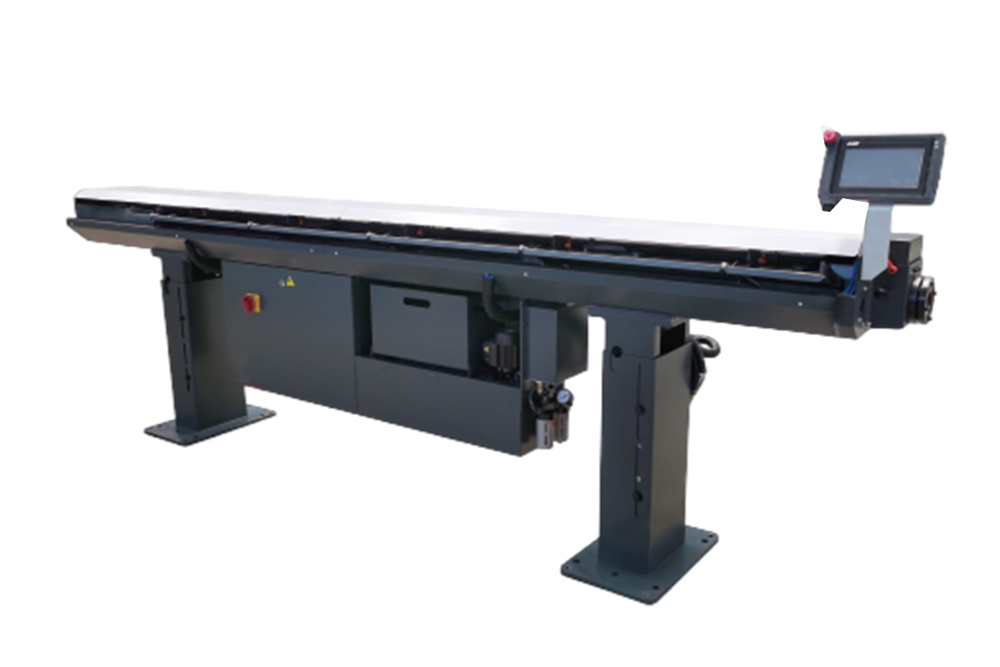
- **Bar feeders**: These machines are often paired with bar feeders that automate the feeding process, enhancing efficiency in production environments.
5. Applications of Swiss Sliding Head Lathes
Swiss sliding head lathes are widely used across various industries due to their ability to produce high-precision components. Some common applications include:
- **Aerospace components**: Producing parts like gears, brackets, and fittings that require strict tolerances.
- **Medical devices**: Manufacturing intricate parts such as surgical instruments and implants.
- **Automotive parts**: Creating small components like fuel injectors, valves, and connectors.
- **Electronics**: Producing connectors and housings for various electronic devices.
6. Advantages of Swiss Sliding Head Lathes
The use of Swiss sliding head lathes offers several benefits that enhance productivity and quality in manufacturing:
- **Precision machining**: Swiss lathes are known for their ability to achieve tight tolerances, making them ideal for industries that require high precision.
- **Increased productivity**: With their automated features and multi-axis capabilities, these lathes can significantly reduce production times.
- **Versatility**: The ability to produce a wide range of components from different materials makes Swiss sliding head lathes versatile machines in any workshop.
- **Reduced waste**: The efficient design minimizes material waste, contributing to cost savings in production.
7. Choosing the Right Swiss Sliding Head Lathe
Selecting the right Swiss sliding head lathe depends on various factors, including:
- **Production volume**: Consider whether you need a machine for high-volume production or smaller, intricate runs.
- **Complexity of parts**: Determine the complexity of components you plan to manufacture. Sliding head lathes are better for intricate designs, while fixed head models may suffice for simpler parts.
- **Material types**: Different machines may handle various materials better, so evaluate the specific materials you intend to work with.
- **Budget**: Align your choice with your budget while ensuring you select a machine that meets your operational needs.
8. Maintaining Your Swiss Sliding Head Lathe
To ensure optimal performance, regular maintenance of Swiss sliding head lathes is crucial. Key maintenance practices include:
- **Routine cleaning**: Keep your lathe clean to prevent build-up of debris and ensure smooth operation.
- **Lubrication**: Regularly lubricate moving parts to reduce wear and tear and maintain accuracy.
- **Calibration**: Periodically calibrate your machine to ensure it continues to produce parts within specified tolerances.
- **Inspection**: Conduct regular inspections to identify potential issues before they escalate into significant problems.
9. Frequently Asked Questions
**Q1: What is the main advantage of a sliding head lathe over a fixed head lathe?**
A1: The main advantage of a sliding head lathe is its ability to produce longer and more complex parts with high precision, making it ideal for high-volume production.
**Q2: How does CNC technology enhance the capabilities of Swiss lathes?**
A2: CNC technology allows for precise programming of machining operations, enabling the production of intricate designs and reducing the risk of human error.
**Q3: What types of materials can be machined using Swiss sliding head lathes?**
A3: Swiss sliding head lathes can machine a variety of materials, including metals like aluminum, steel, and titanium, as well as plastics.
**Q4: Are Swiss lathes suitable for small batch production?**
A4: Yes, while they are optimized for high-volume production, Swiss lathes can also be used effectively for small batch production, especially when precision is required.
**Q5: What maintenance practices should I follow for my Swiss lathe?**
A5: Regular cleaning, lubrication, calibration, and inspection are essential maintenance practices to ensure optimal performance and longevity of your Swiss lathe.
10. Conclusion
Swiss sliding head lathes represent a pinnacle of precision engineering, offering unmatched capabilities for producing high-quality components across various industries. By understanding the different types of Swiss sliding head lathes, their applications, and their advantages, manufacturers can make informed decisions to enhance their production processes. Investing in the right equipment and maintaining it properly will ultimately lead to increased efficiency, precision, and profitability in your operations. Embrace the innovation of Swiss technology, and harness its potential to revolutionize your manufacturing processes.
Related Blog

Address: Building 2, Fangda, Huangfengling Industrial Zone, Luozu community, Shiyan Street, Baoan District, Shenzhen, China
Mob: +86 18926575817
Tel: +86 0755 29680609
Fax: +86 0755 29680609
Email: info@todaycnc.com



Copyright & ©2024 TODAY STANDARD PRECISION MACHINE TOOL CO .,LTD
Privacy Policy
Business license