



Unlocking Precision: The Power of High Precision CNC Lathes in Modern Manufacturing
2026-10-08


In the realm of manufacturing, high precision CNC lathes have emerged as vital tools for producing intricate components with exceptional accuracy. These machines are engineered to perform a variety of tasks, including turning, facing, and threading, which are essential for creating parts that meet stringent quality standards. Their ability to operate with high precision makes them indispensable in industries ranging from aerospace to medical device manufacturing.
One of the defining features of high precision CNC lathes is their advanced computer numerical control (CNC) technology. This allows operators to program complex machining operations with great accuracy, reducing the risk of human error and ensuring consistency across production runs. The result is a significant increase in efficiency, as these machines can run continuously with minimal intervention, freeing up skilled workers for more strategic tasks.
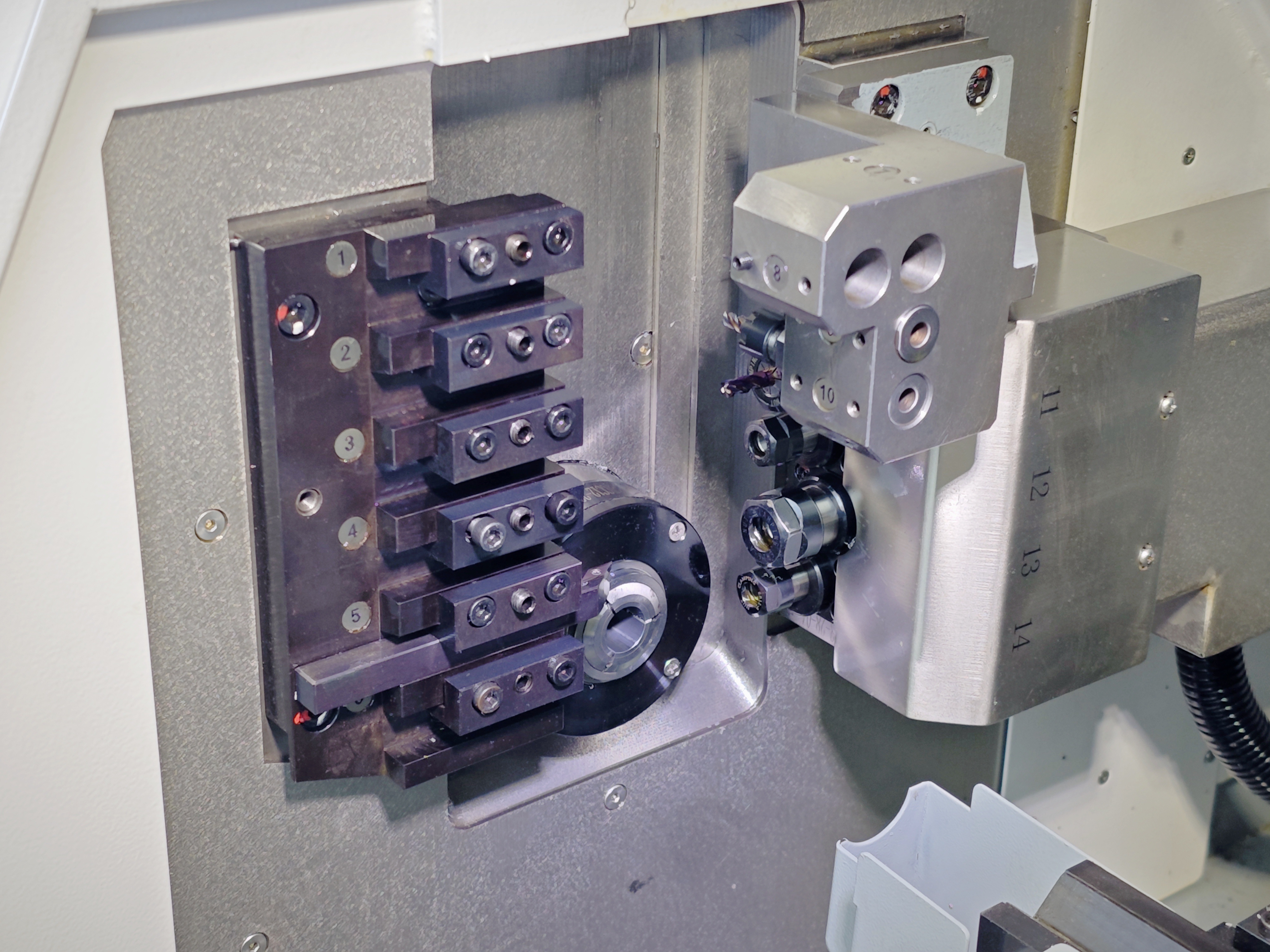
Furthermore, high precision CNC lathes are equipped with state-of-the-art tooling and workholding systems that enhance their capability. These tools can handle a wide range of materials, including metals, plastics, and composites, making them versatile solutions for diverse manufacturing needs. The ability to switch between various tools and settings quickly allows manufacturers to adapt to changing demands without significant downtime.
Another advantage of high precision CNC lathes is their capacity for producing components that require tight tolerances. In industries where even the smallest deviation can lead to product failure, such precision is crucial. High precision CNC lathes can achieve tolerances of up to ±0.001 inches or better, which is vital for applications such as fitting engine components or creating surgical instruments.
The integration of automation and smart technology in high precision CNC lathes further enhances their efficiency and reliability. Many modern machines come with features such as real-time monitoring and diagnostic tools, allowing operators to track performance and address potential issues before they impact production. This capability not only improves output but also reduces waste, aligning with sustainability goals in manufacturing.
In conclusion, high precision CNC lathes represent a significant advancement in manufacturing technology. Their ability to deliver consistent, high-quality results while accommodating various materials and complex designs makes them a cornerstone of modern machining processes. As industries continue to evolve and demand higher standards, the importance of high precision CNC lathes will only grow, shaping the future of manufacturing in exciting ways. Whether you are looking to invest in new technology or improve existing processes, understanding the capabilities of these machines is essential for driving success in today’s competitive landscape.


Address: Building 2, Fangda, Huangfengling Industrial Zone, Luozu community, Shiyan Street, Baoan District, Shenzhen, China
Mob: +86 18926575817
Tel: +86 0755 29680609
Fax: +86 0755 29680609
Email: info@todaycnc.com



Copyright & ©2024 TODAY STANDARD PRECISION MACHINE TOOL CO .,LTD
Privacy Policy
Business license